Start with the headcount, not the box
The most common reason a board game gathers dust is not that it is bad — it is that it does not fit the group. A brilliant two-player game will not save a six-person evening, and a party game built for ten will fall flat with three. Before choosing, count the people who will actually play most often, then match the game to that number. This guide covers each group size, with picks from the Game Night Guide home collection.
Two players: duels and couples
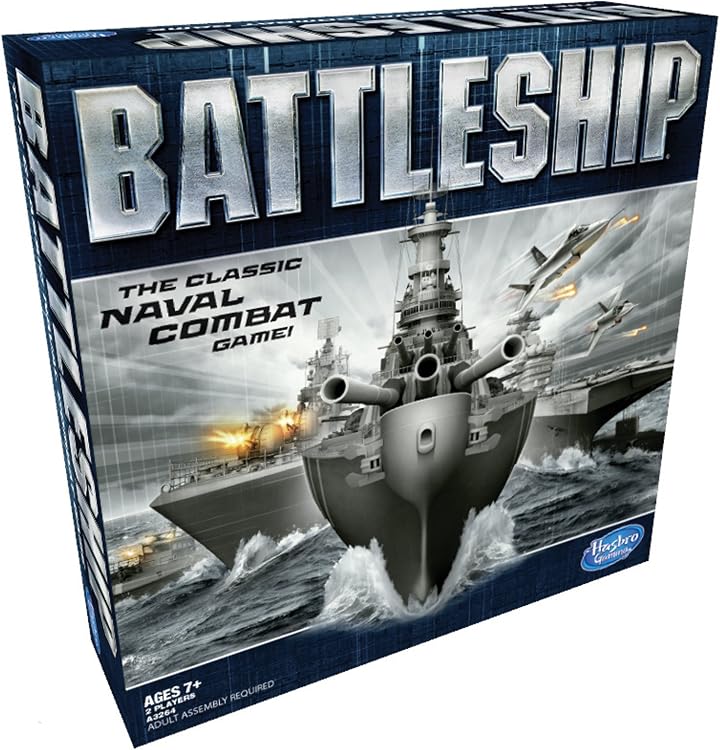
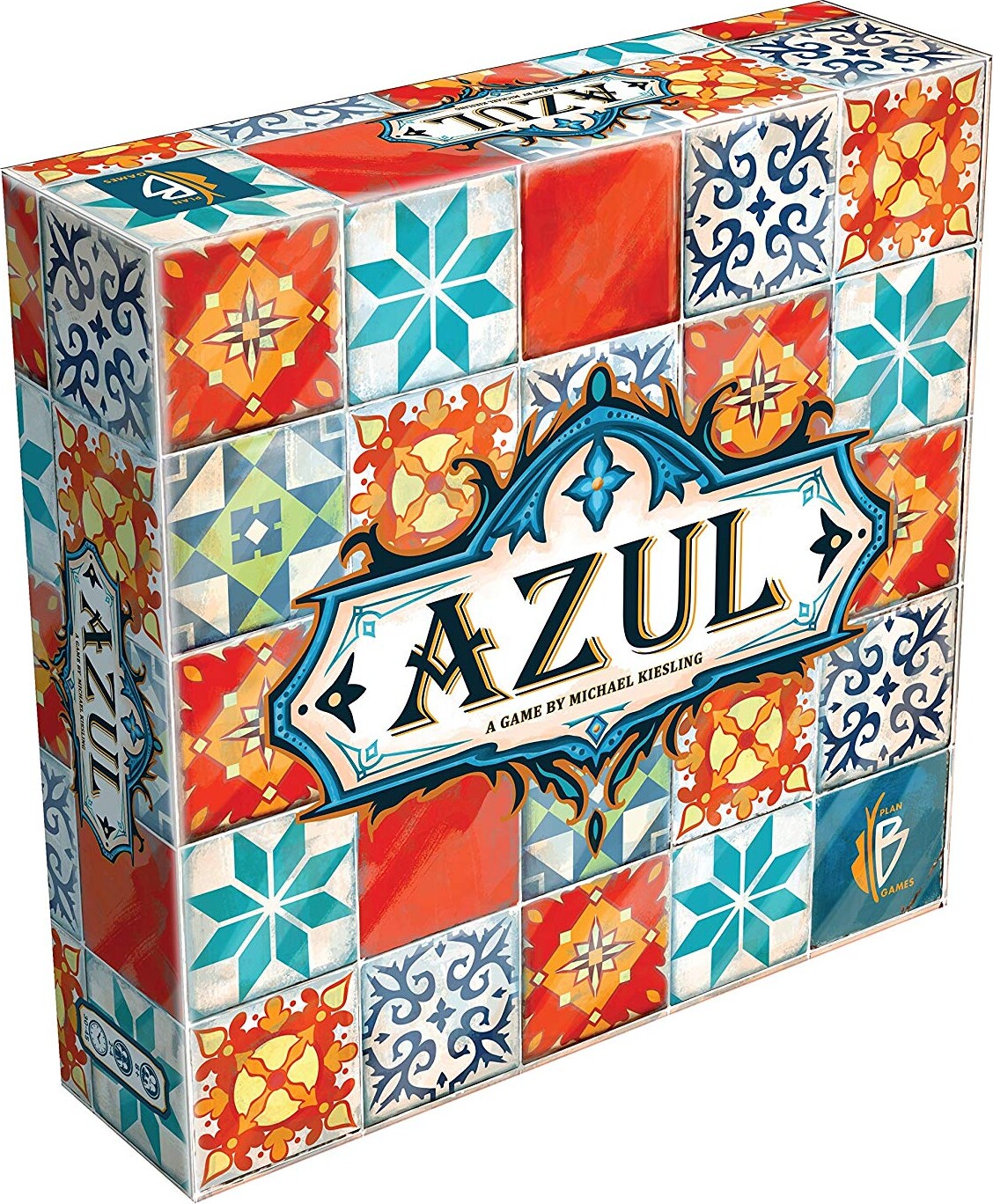
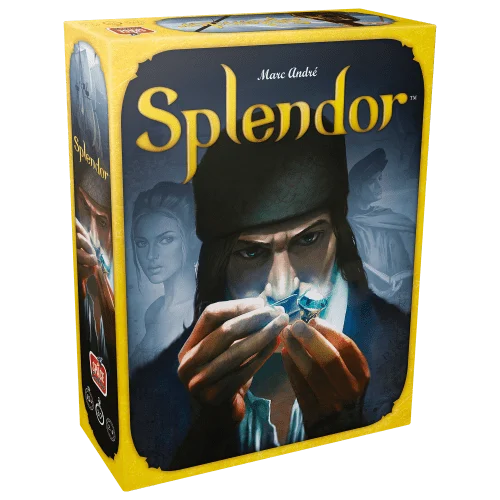
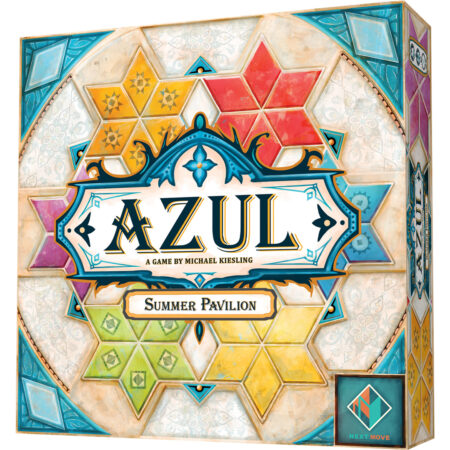
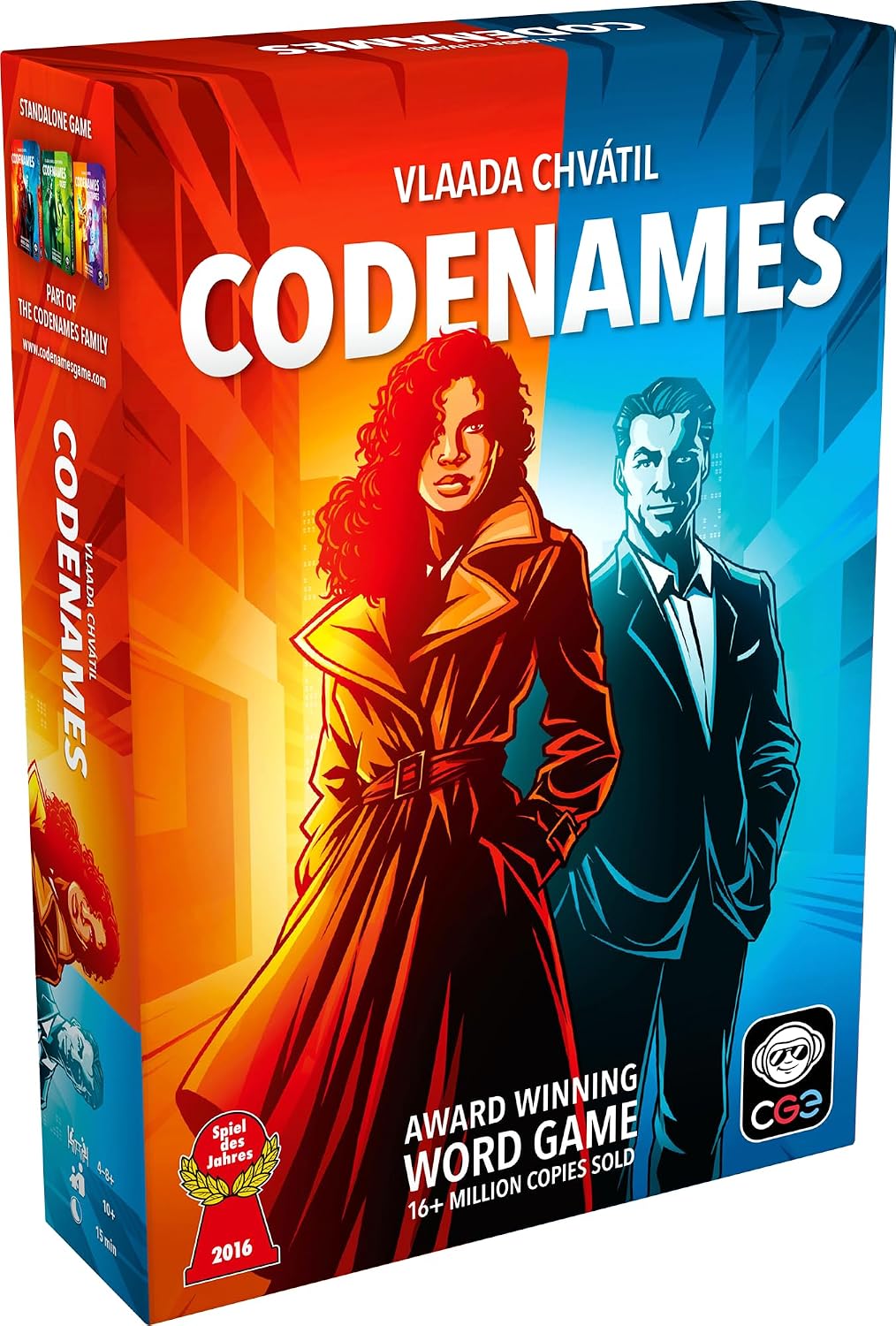
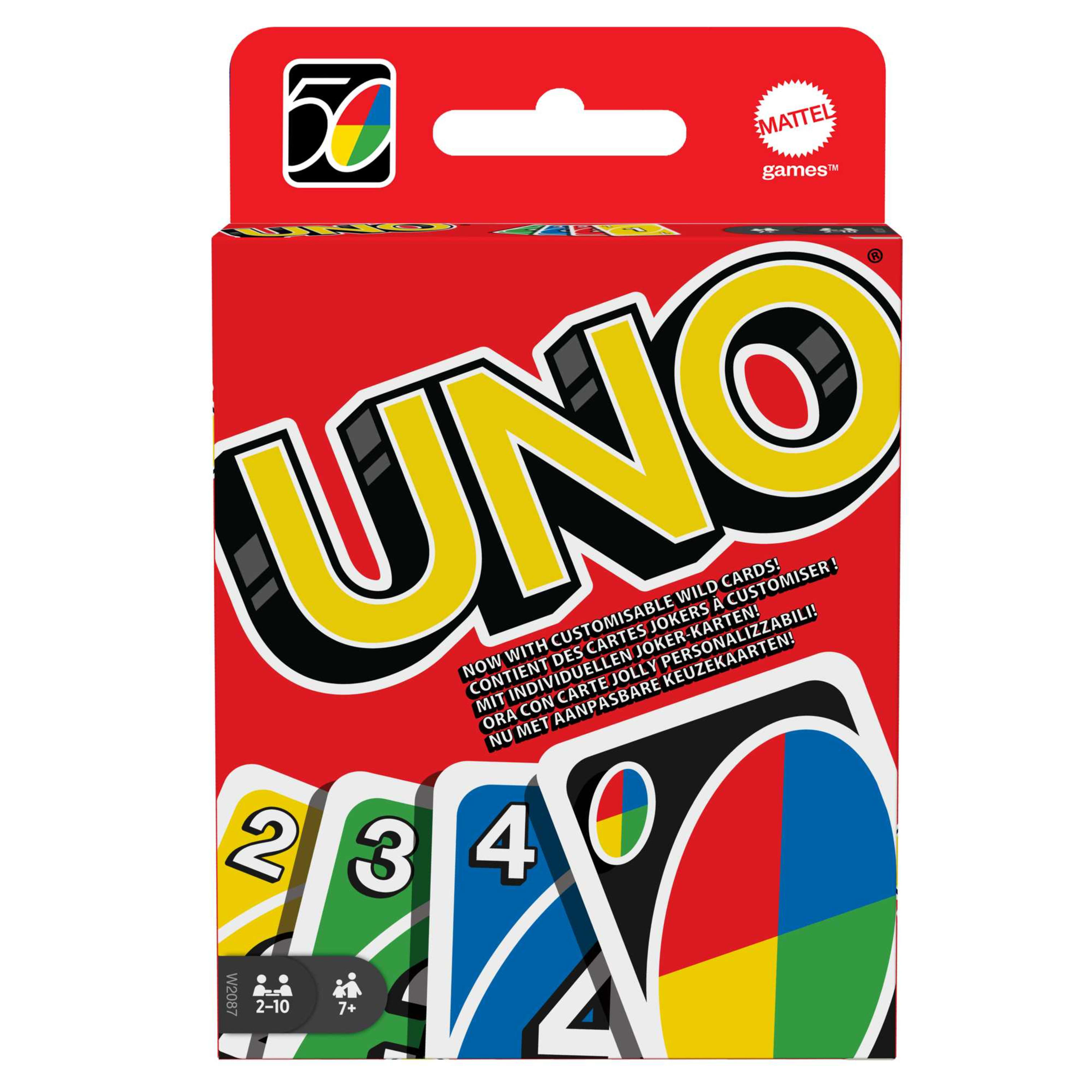
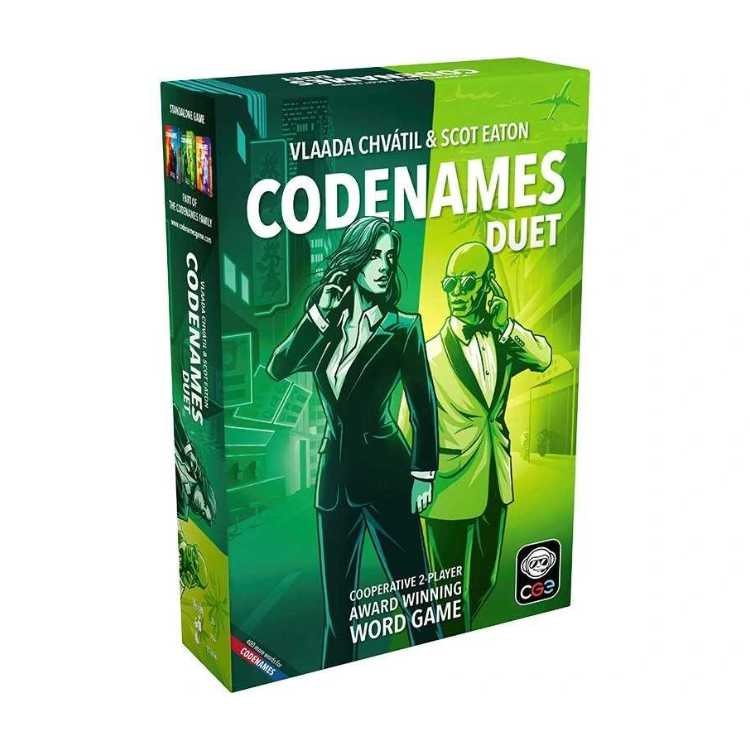
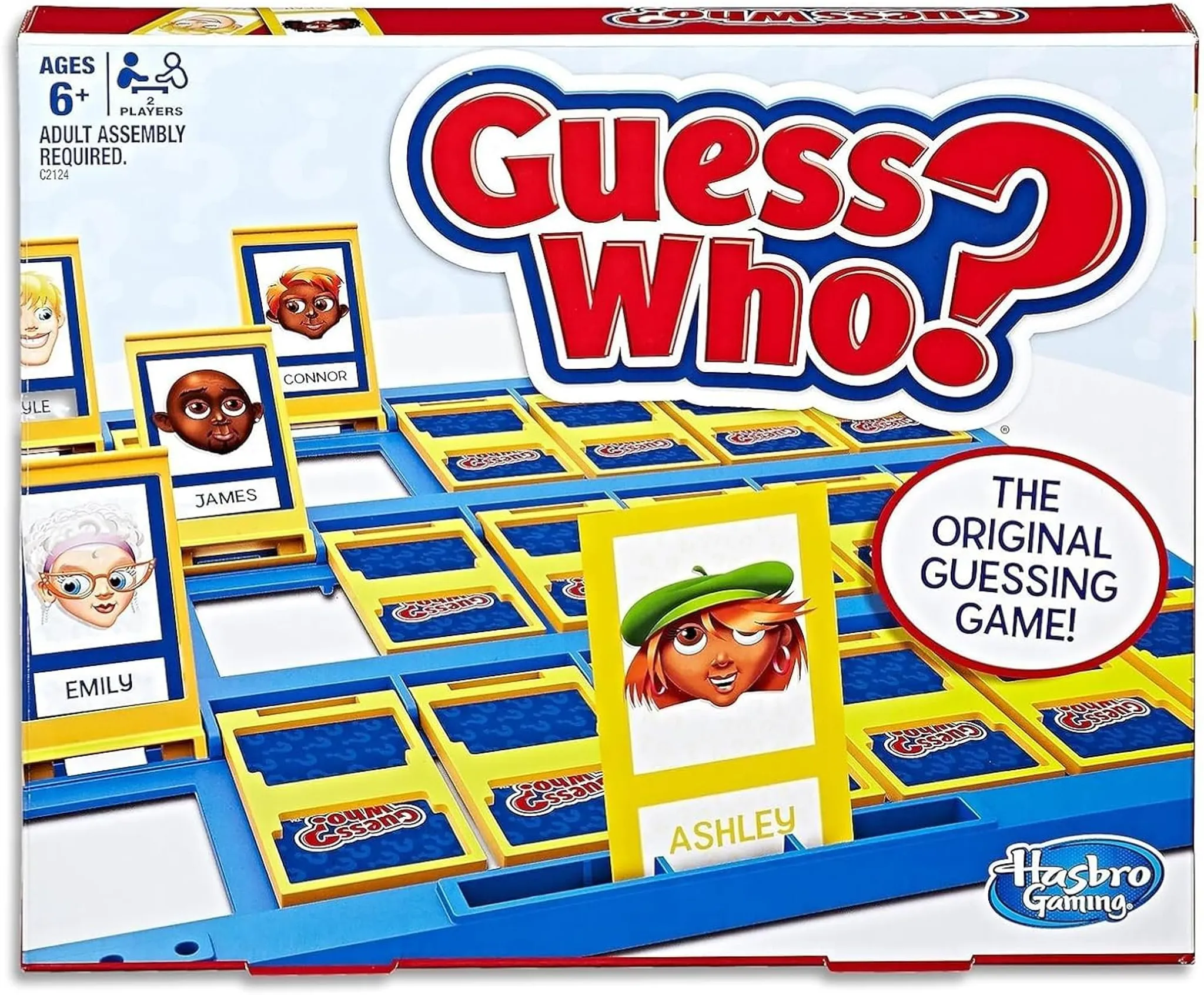
Two-player games need a different design: with no third player to balance things out, the game has to work head-to-head. Battleship is the classic duel — hidden fleets, grid coordinates, and a slow reveal of information. Guess Who? turns deduction into a quick back-and-forth, and Azul: Summer Pavilion brings the same tile-drafting puzzle to two to four players, with a rotating wild colour each round. For couples who like word games, Codenames: Duet is cooperative, so the two players work together instead of against each other. Splendor also plays well at two, and UNO works as a fast, low-effort option. Avoid games that officially support two players but are really designed for four — the box will say two, but the game will feel empty.
Three to four players: the family standard
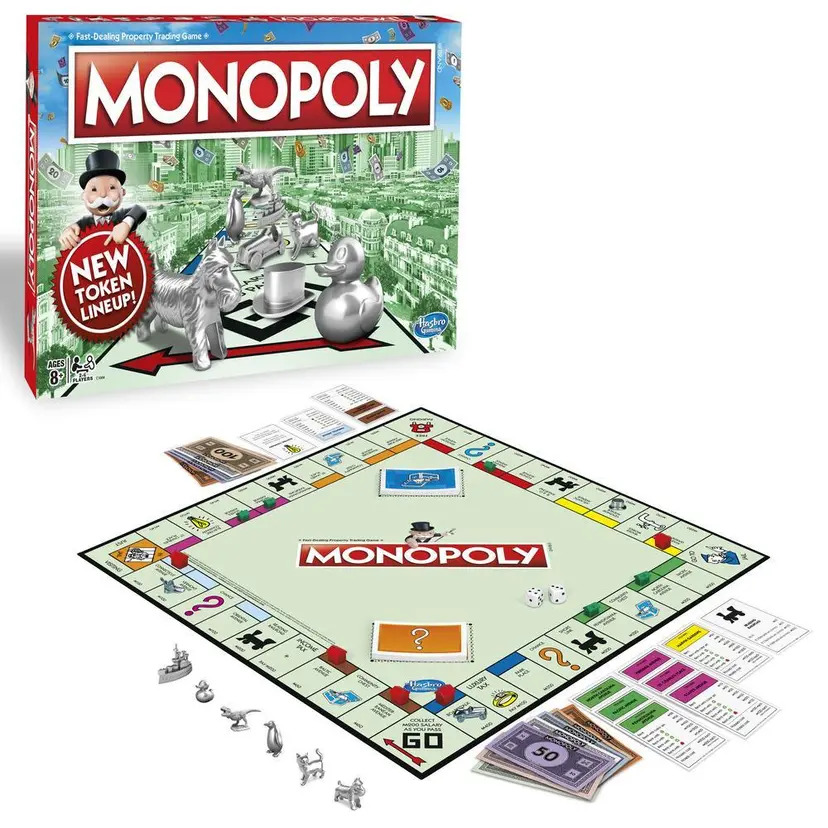
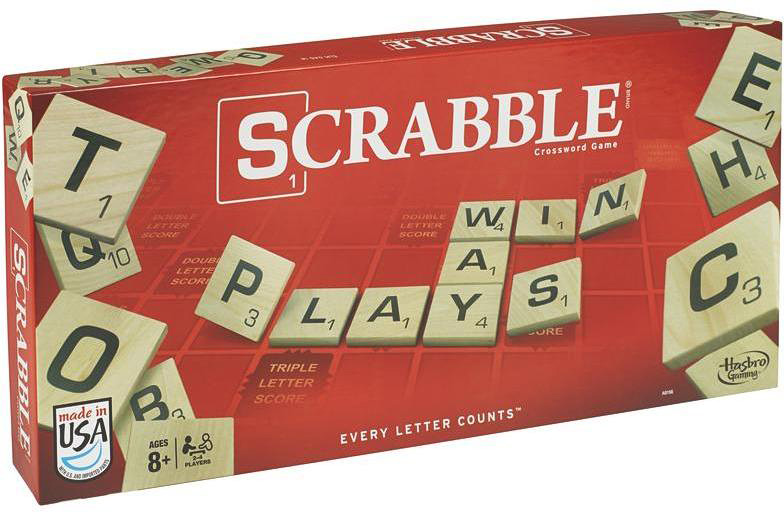
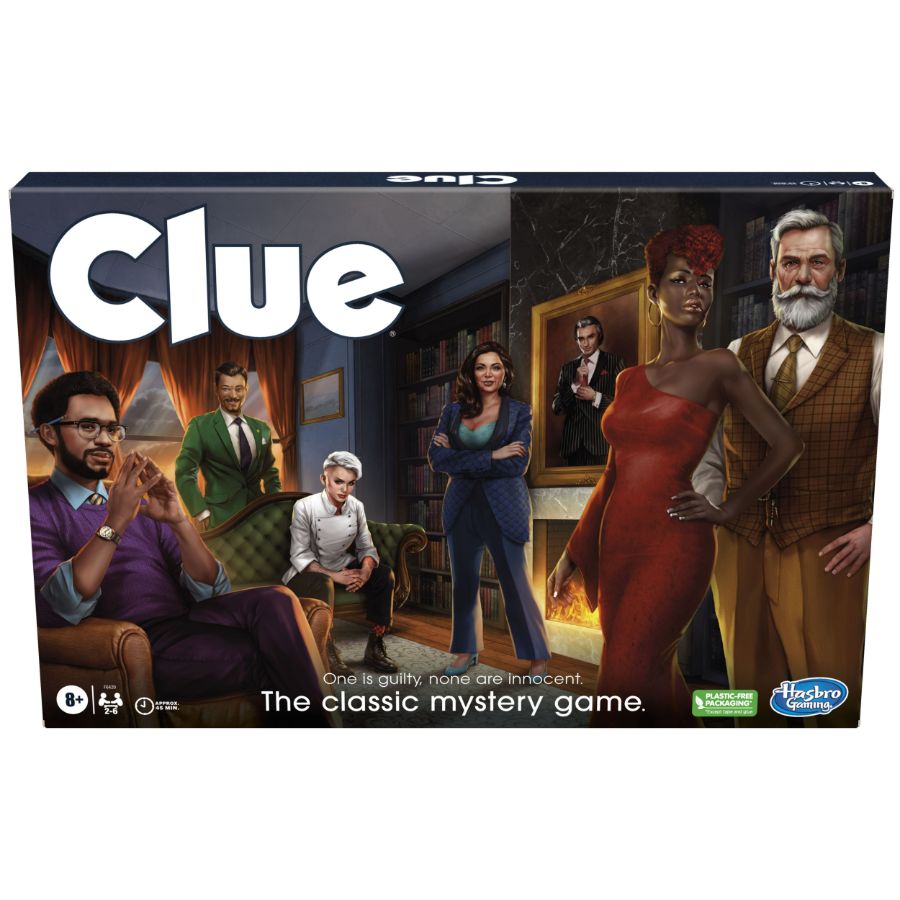
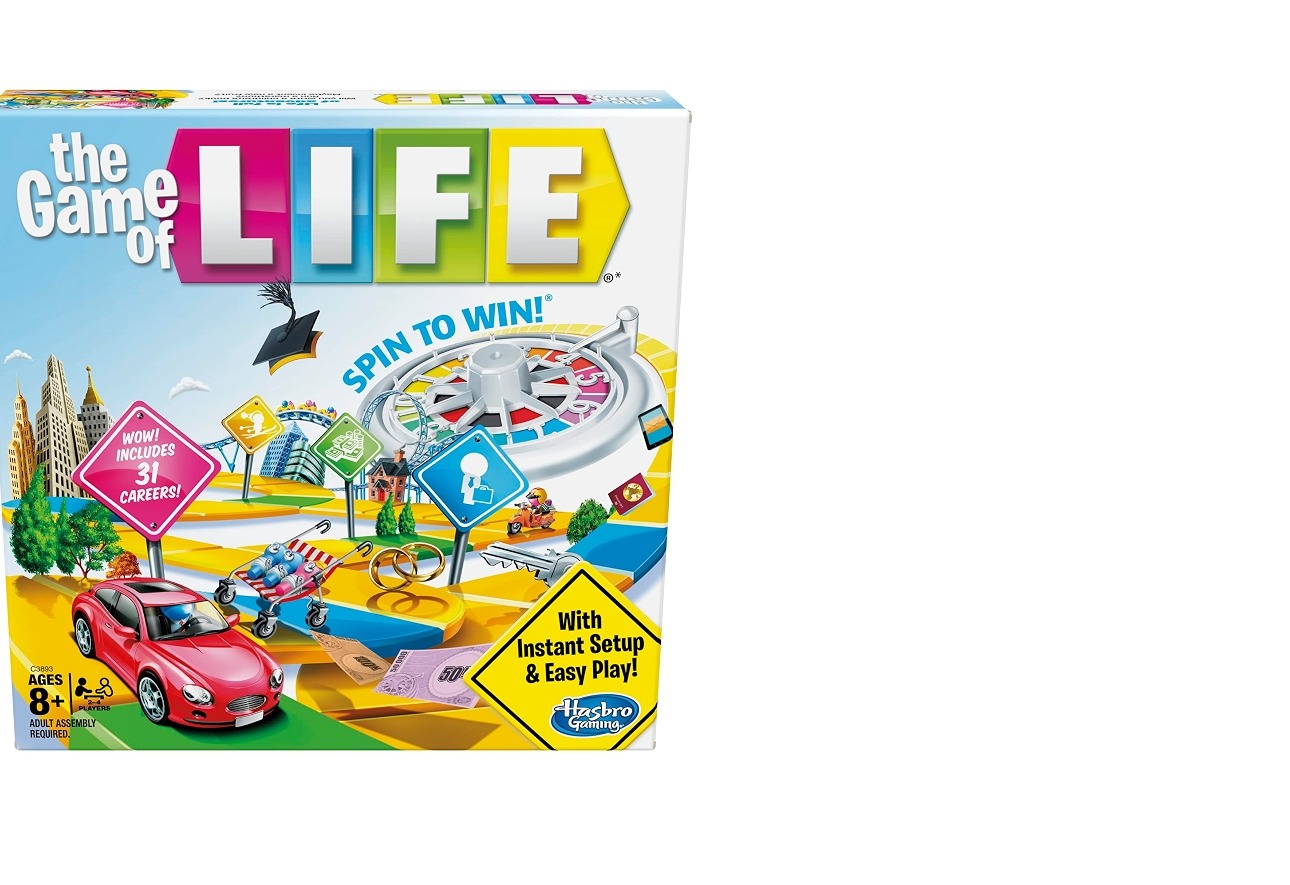
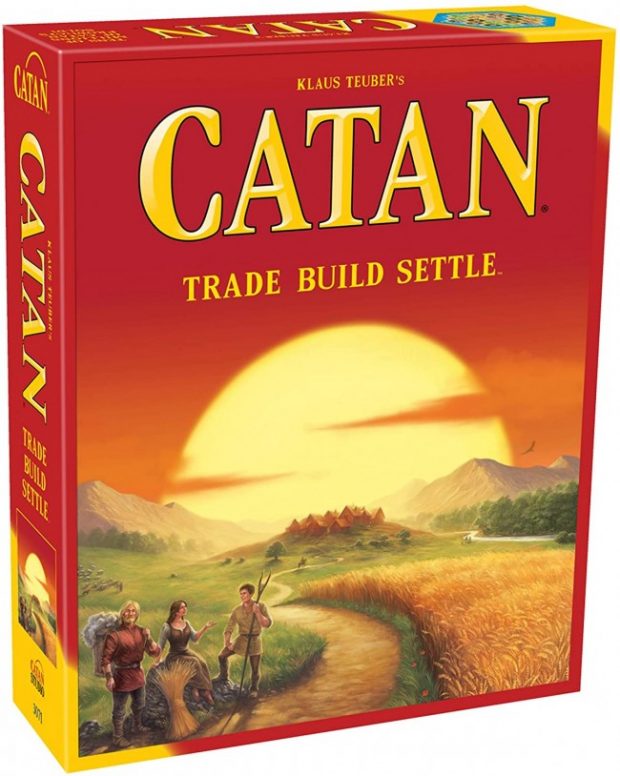
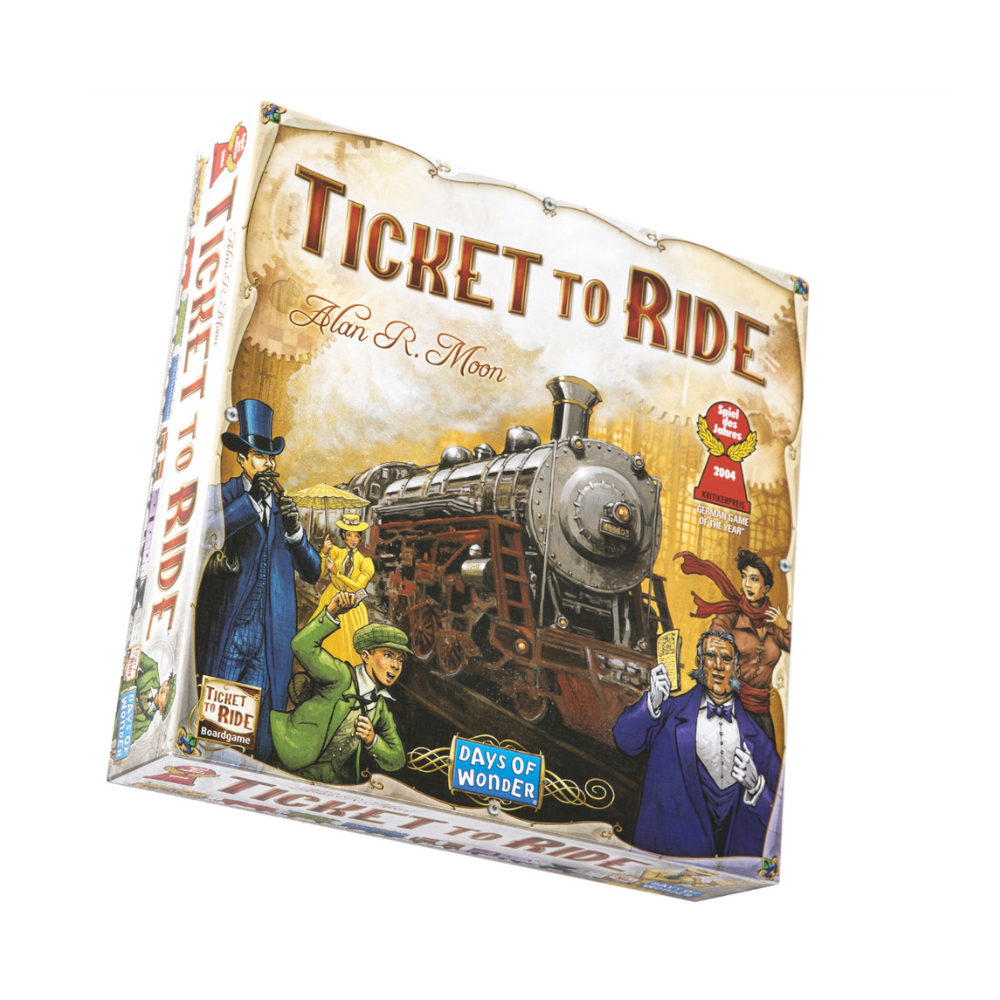
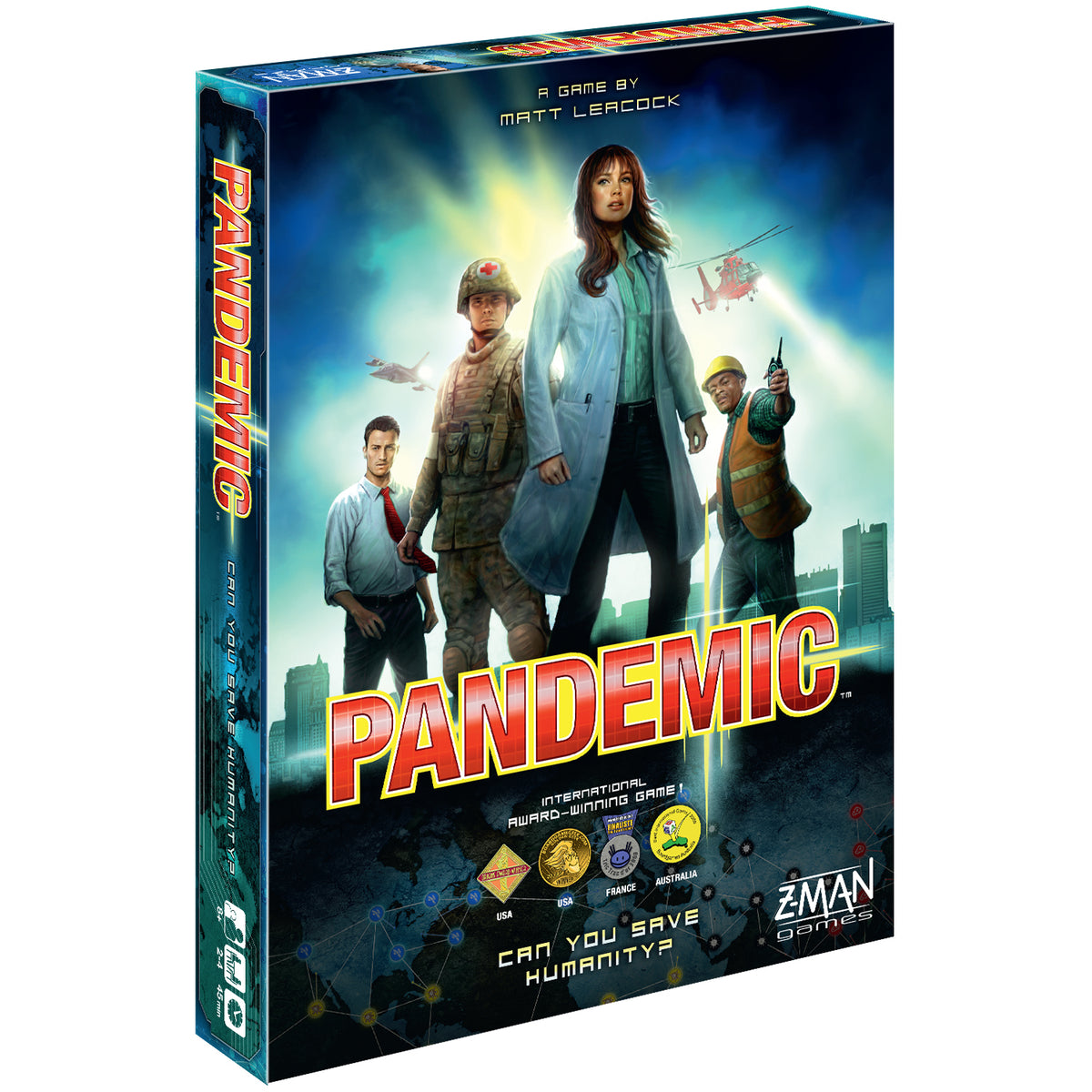
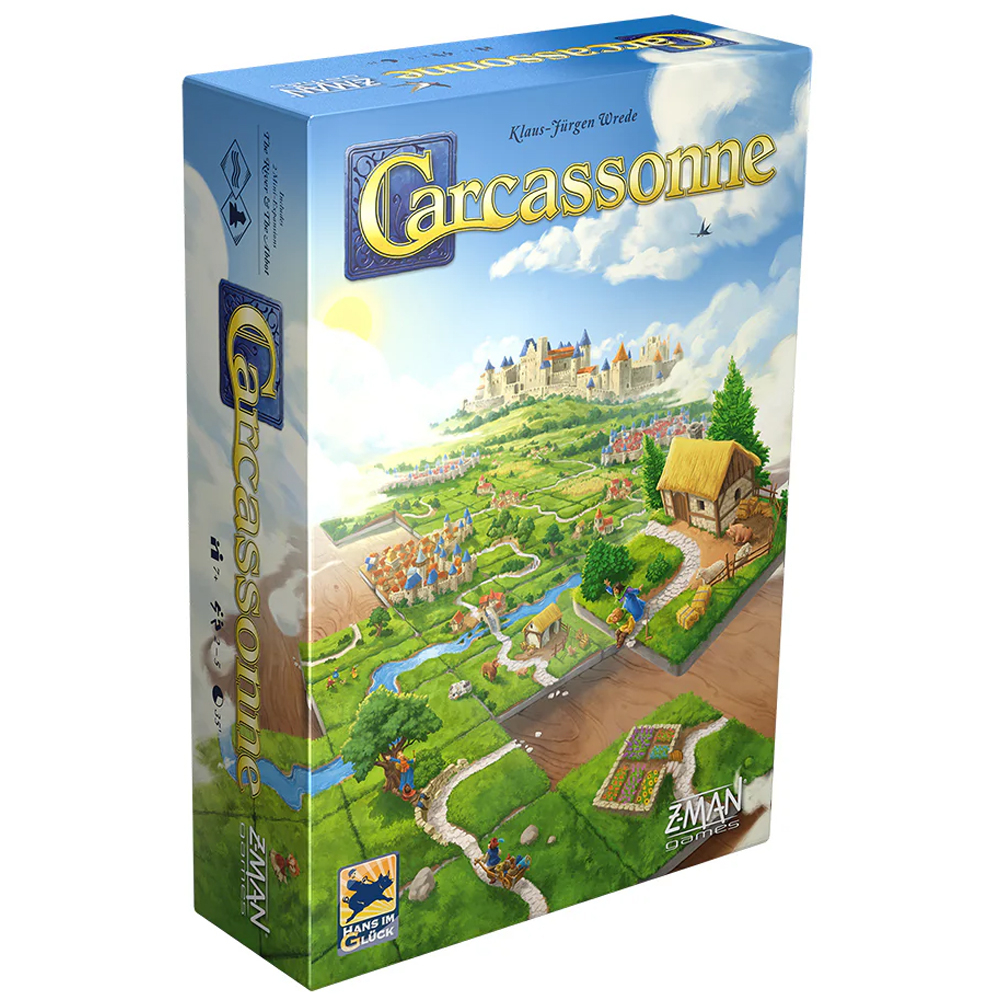
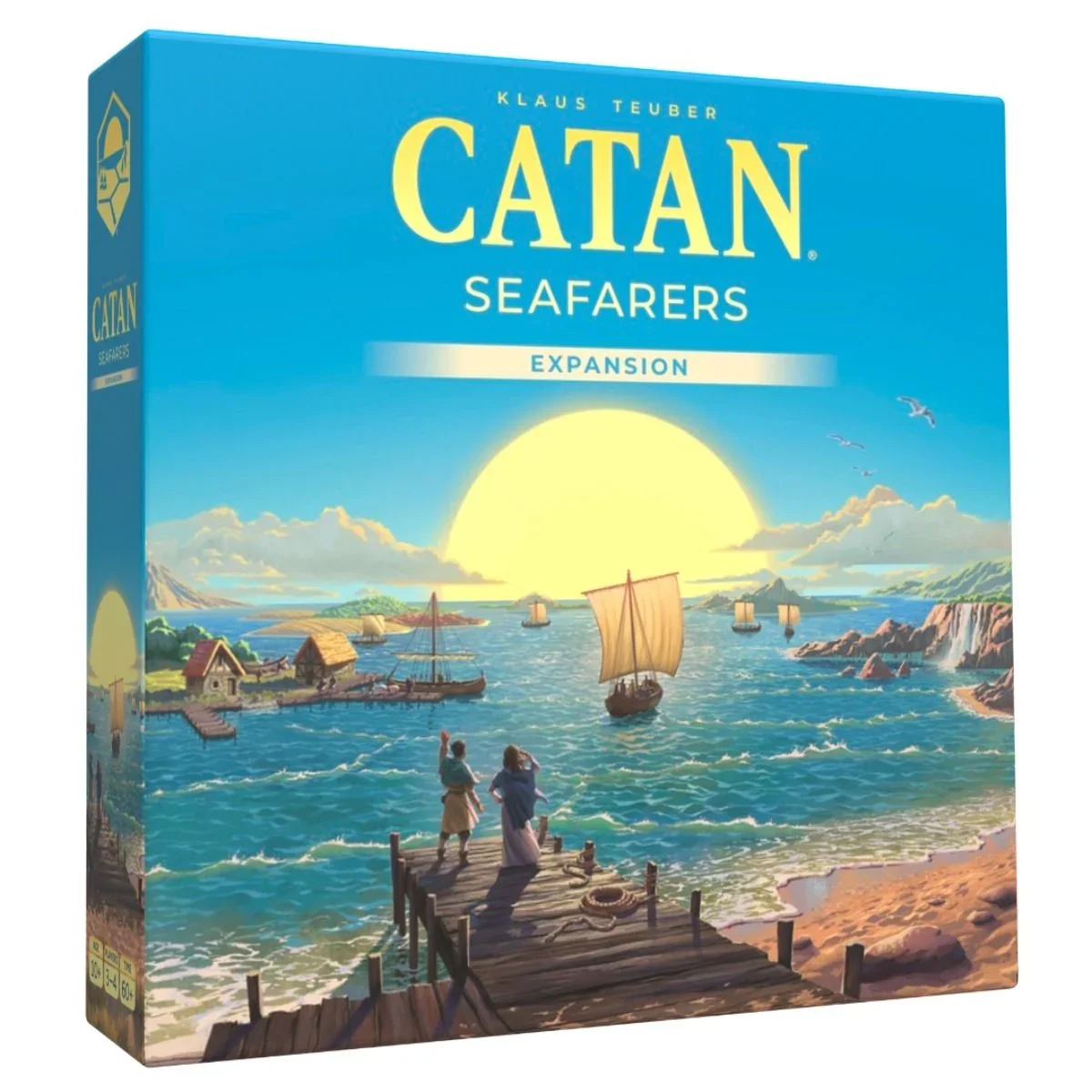
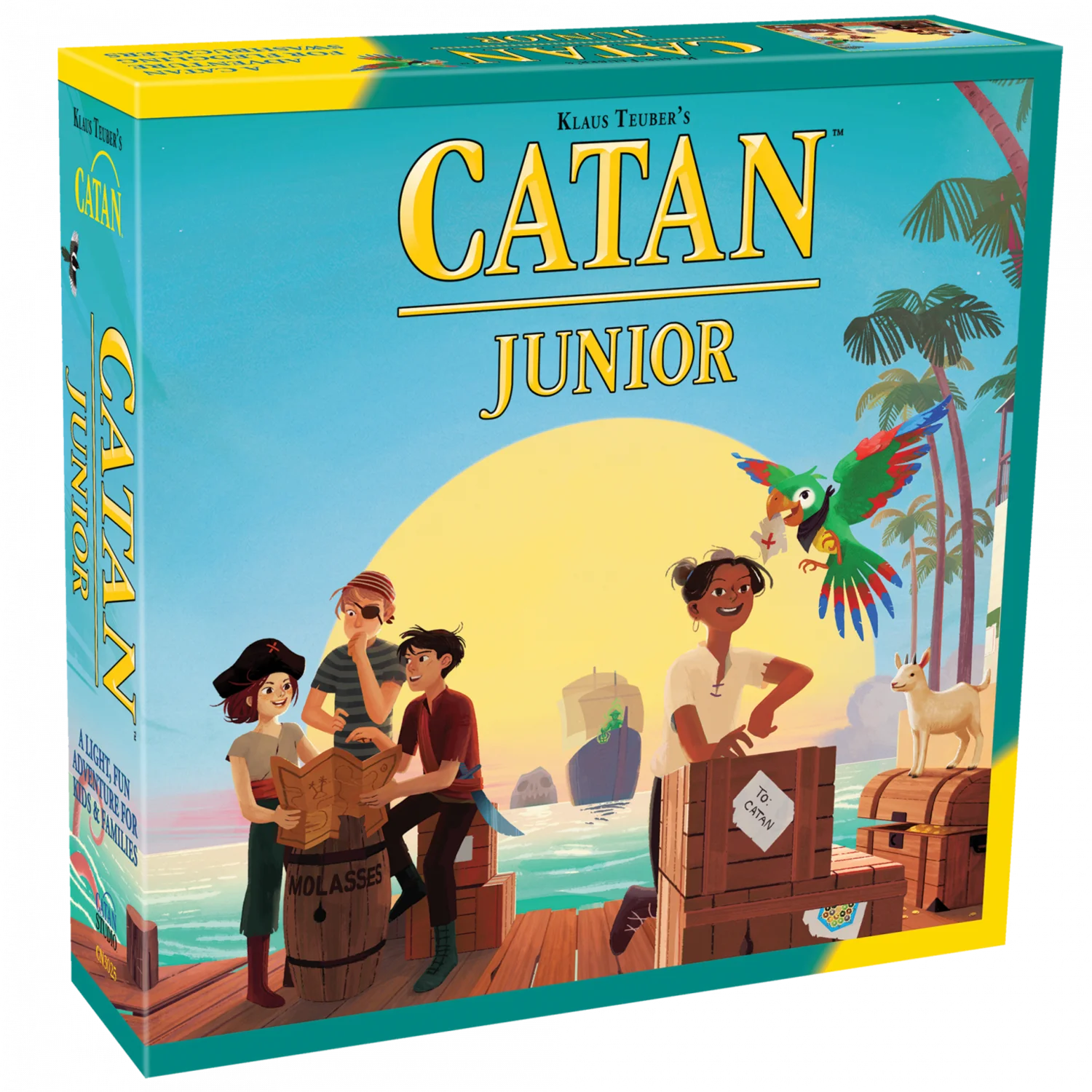
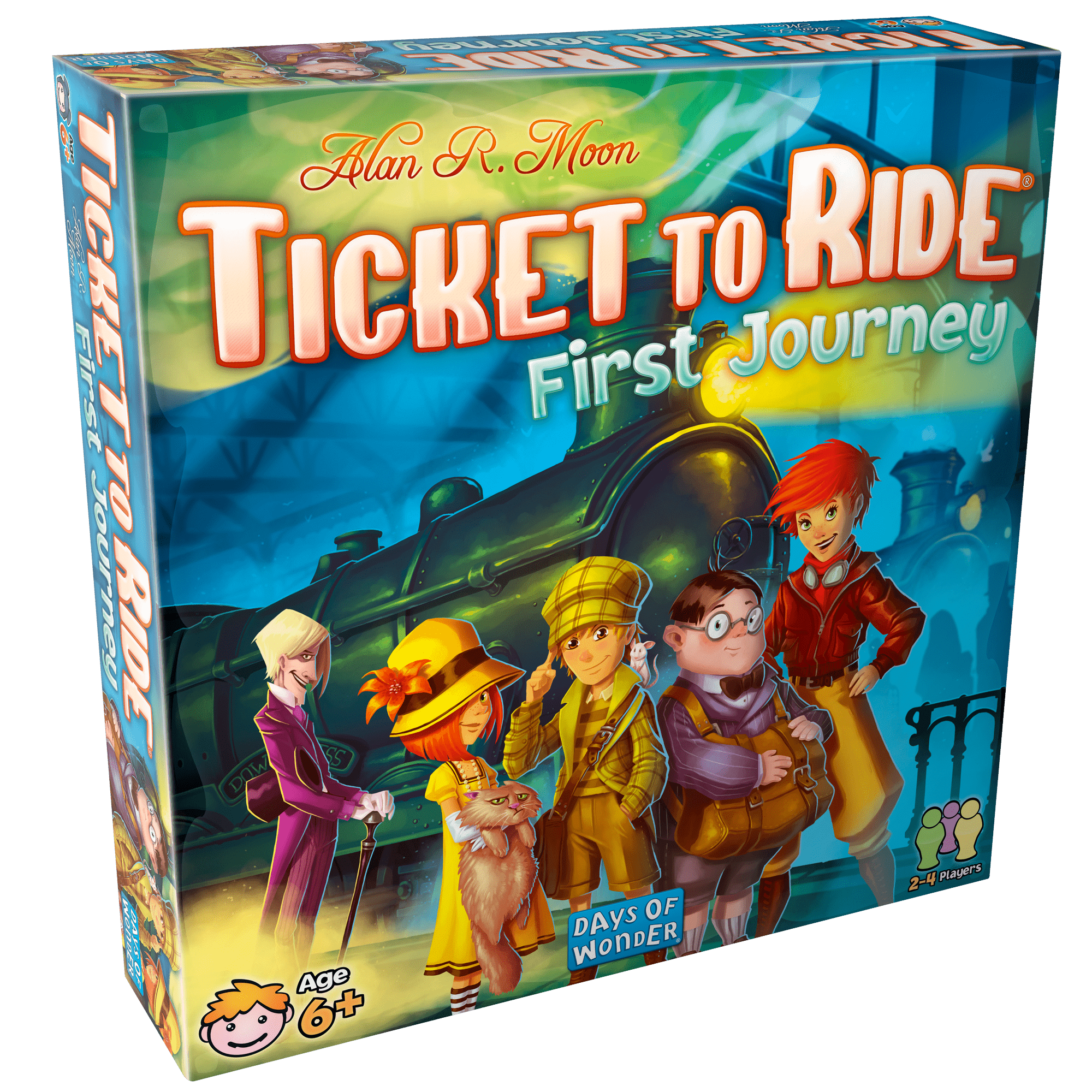
Most board games are built for three or four players, so this is the easiest group size to shop for. Catan shines at three and four, because trading needs enough players to create a real market. Ticket to Ride and Azul both work well here, and Pandemic is designed for two to four players working as a team. Carcassonne is calm and visual at this size, and the classics — Monopoly, Scrabble, Clue, and The Game of Life — all sit comfortably in this range. If your group is usually three or four, almost any family game will fit, so choose by age and taste instead.
Five to six players: the bigger table
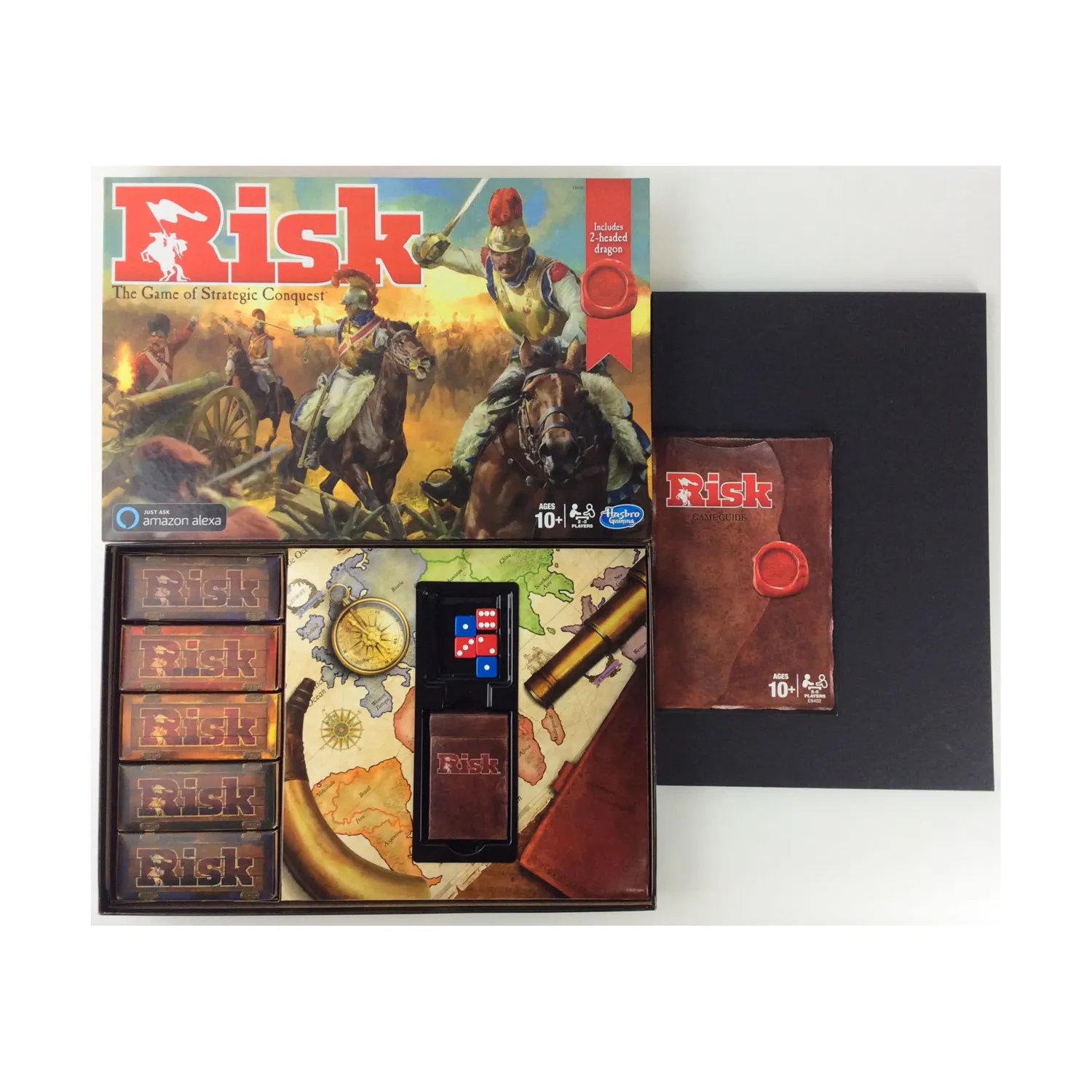
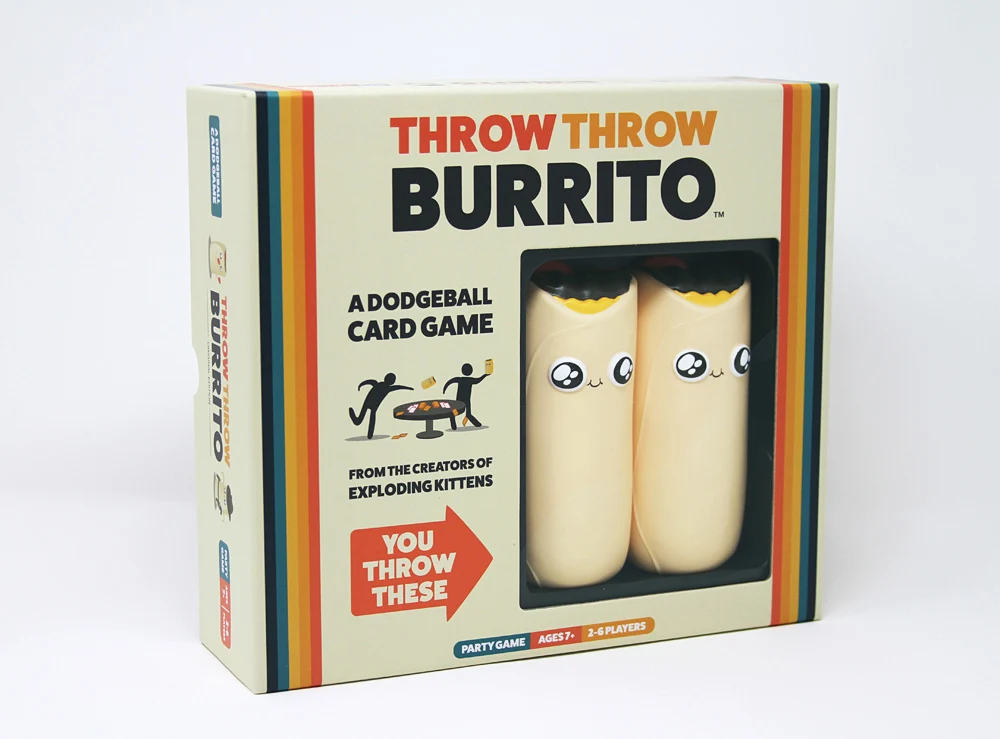
Five and six players is where many strategy games start to strain. Look for games that list five or six on the box and still play quickly. Ticket to Ride handles five players well, and Clue supports up to six. Codenames is built for larger groups — the more players, the better the team debates. Throw Throw Burrito plays up to six and gets funnier with more people. Risk works at this size too, though games run long. Watch out for downtime: in a six-player game, a slow turn can mean five people waiting, so favour games with quick, simple turns.
Seven or more: party territory
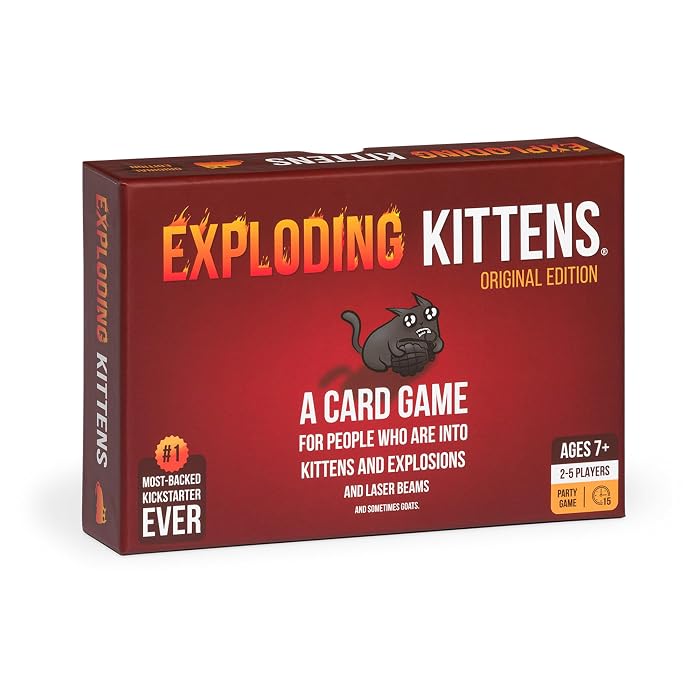
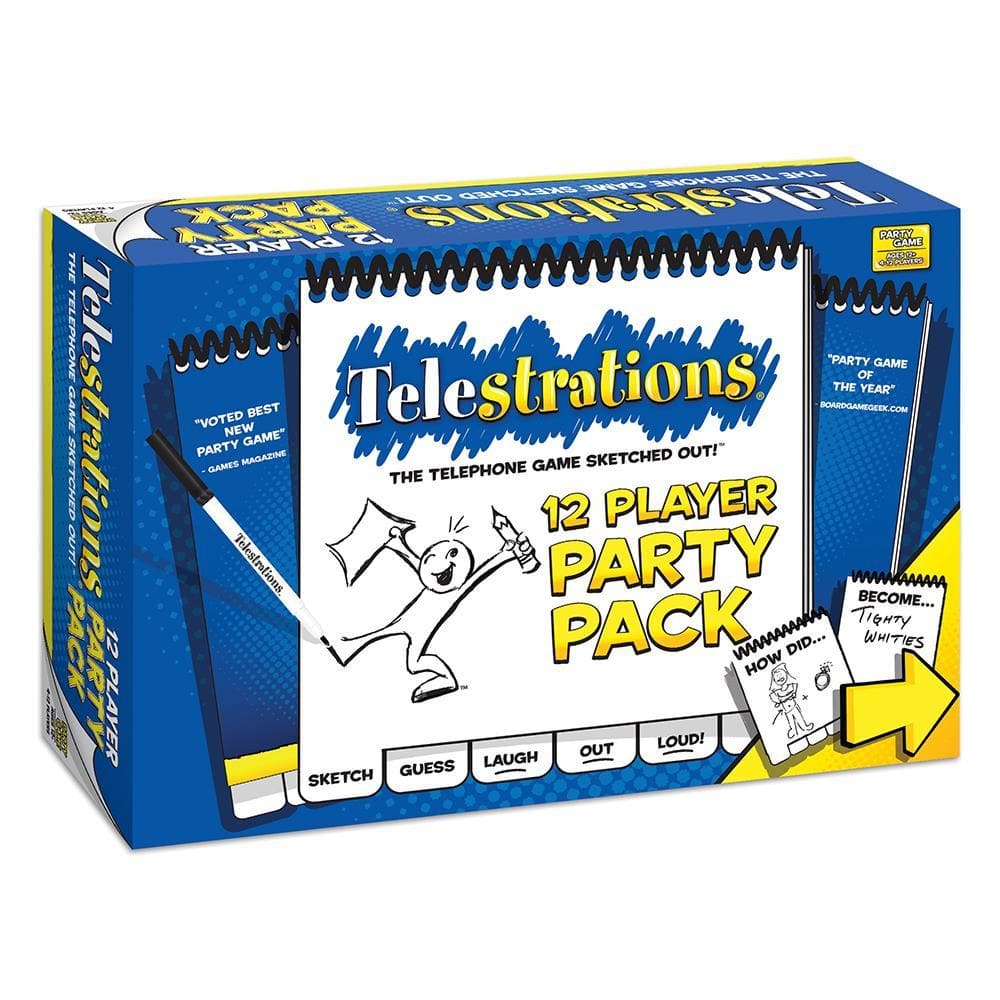
Once the group passes six, stop looking at board games and start looking at party games. Telestrations 12 Player Party Pack is built for up to twelve players and is one of the few games that genuinely works at that size. Codenames scales to large groups by splitting into two teams. Throw Throw Burrito and UNO both support larger tables, and Exploding Kittens works up to five, so it can anchor a smaller table at a bigger party. For very large gatherings, split into two tables rather than forcing one game to cover everyone — two good games beat one stretched one.
A simple rule
Buy for the group you have most often, not the group you wish you had. If it is usually two of you, buy a great two-player game. If it is usually four, buy a four-player classic. And if the headcount changes every time, keep one flexible game — like UNO or Codenames — that scales up and down without losing its shape.