Family Classics
Featured pick in Family Classics
Monopoly Board Game (Classic)
Budget
Best for families with kids 8+ who want a classic game night
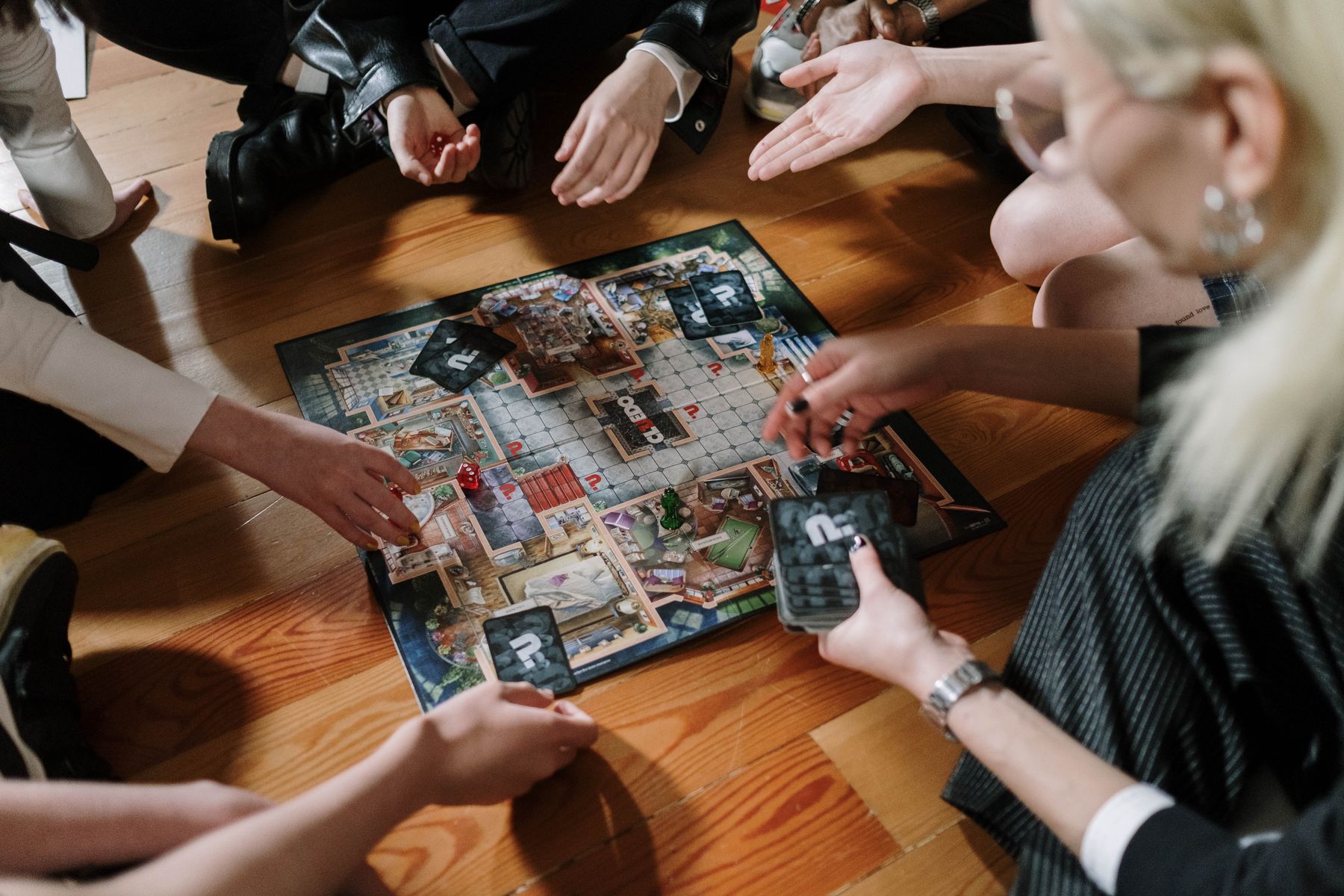
Family board games and card games picked for real game nights — by age, player count, and play time.
Game Night Guide helps families and friends find board games and card games that fit their group, not just their shelf. Every pick is chosen for a clear reason — the right age, the right number of players, and a play time that suits a real evening — with honest notes on what each game does well and where it falls short. Browse by category, compare options side by side, and build a game night everyone actually wants to repeat.
Family Classics
Featured pick in Family Classics
Budget
Best for families with kids 8+ who want a classic game night
Kids & Travel
Featured pick in Kids & Travel
Mid-range
Best for families with kids 6+ new to strategy games
Party & Card Games
Featured pick in Party & Card Games
Budget
Best for groups of 4+ who like word games
Strategy & Cooperative
Featured pick in Strategy & Cooperative
Premium
Best for families with kids 10+ ready for real strategy
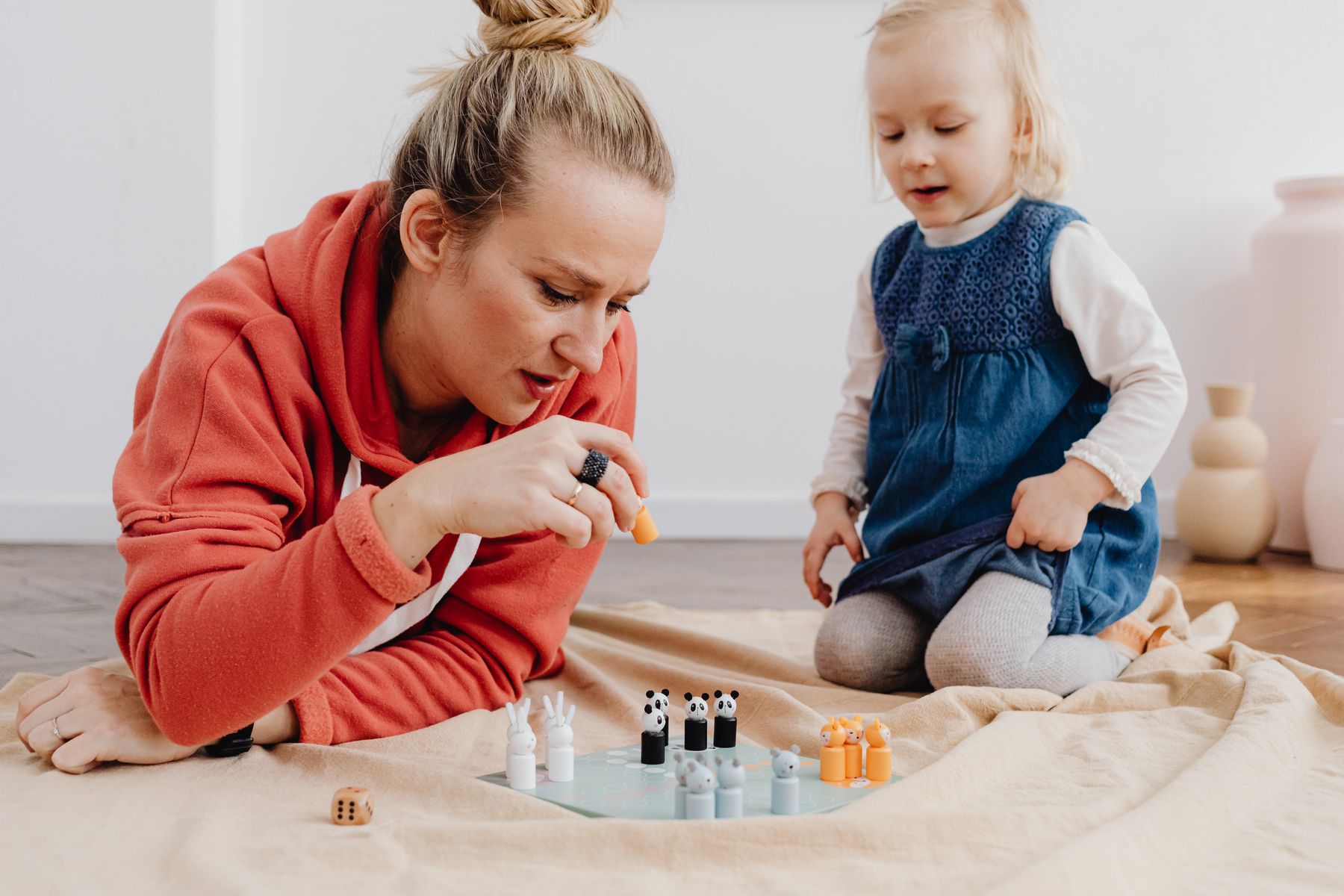
How to pick a board game that fits each age, from preschool first games to strategy titles for teens and adults.

A practical guide to matching a board game to your group size, from two-player duels to party games for twelve.
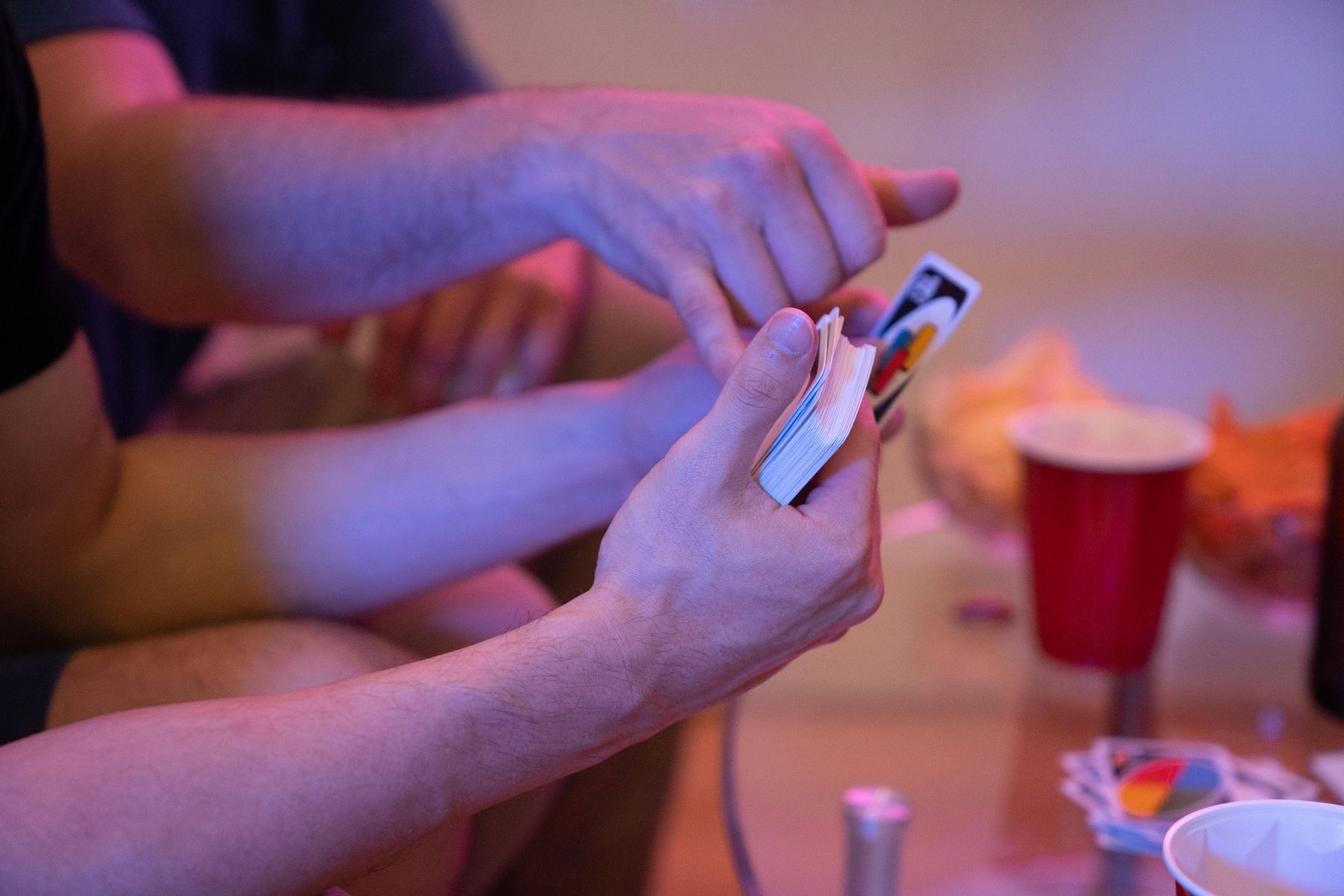
The best card games for travel, holidays, and small tables — pocket-sized, quick to play, and hard to lose pieces from.
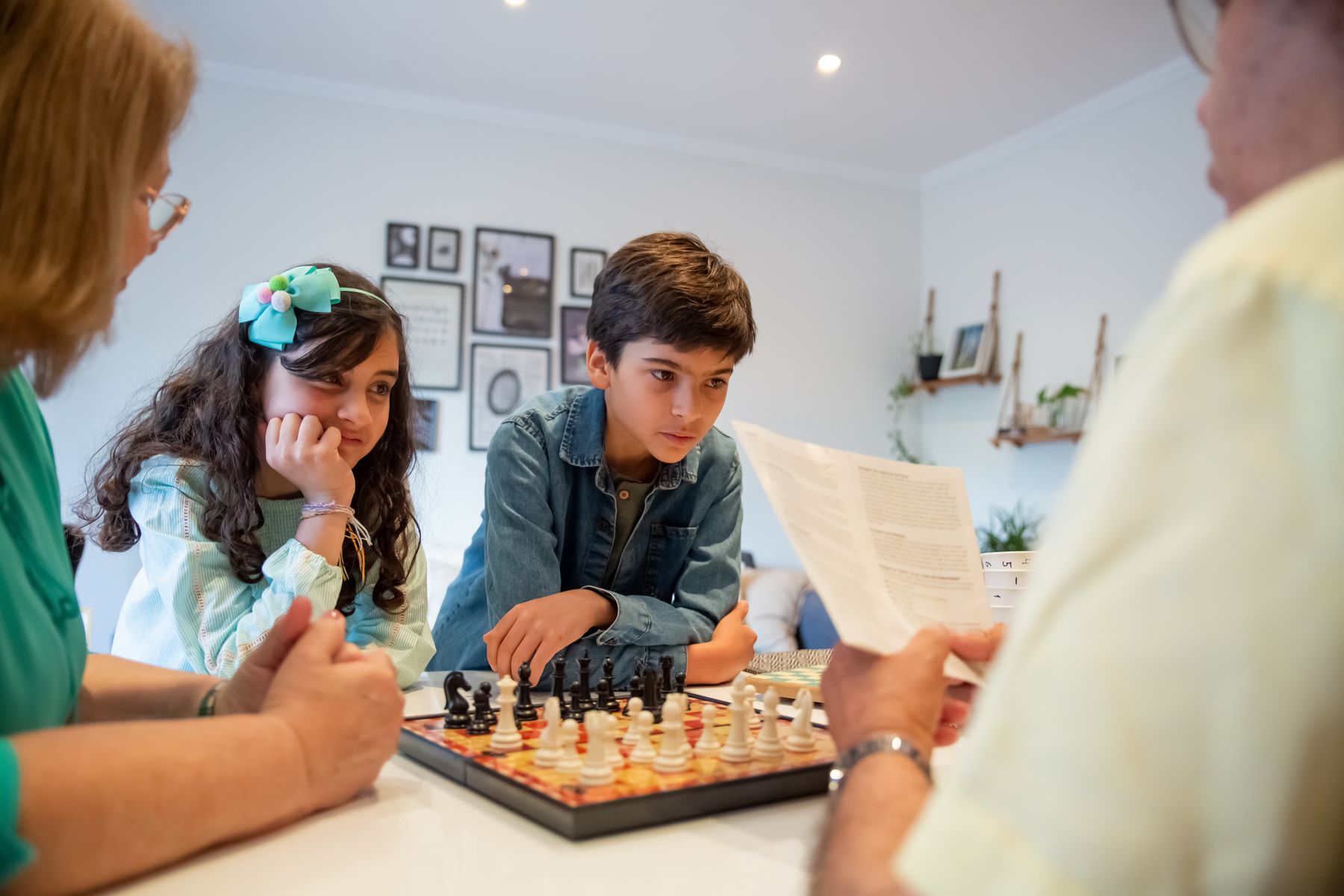
The best strategy board games for game night, from easy gateway games to cooperative titles and longer campaign-style play.
Budget
Best for families with kids 8+ who want a classic game night
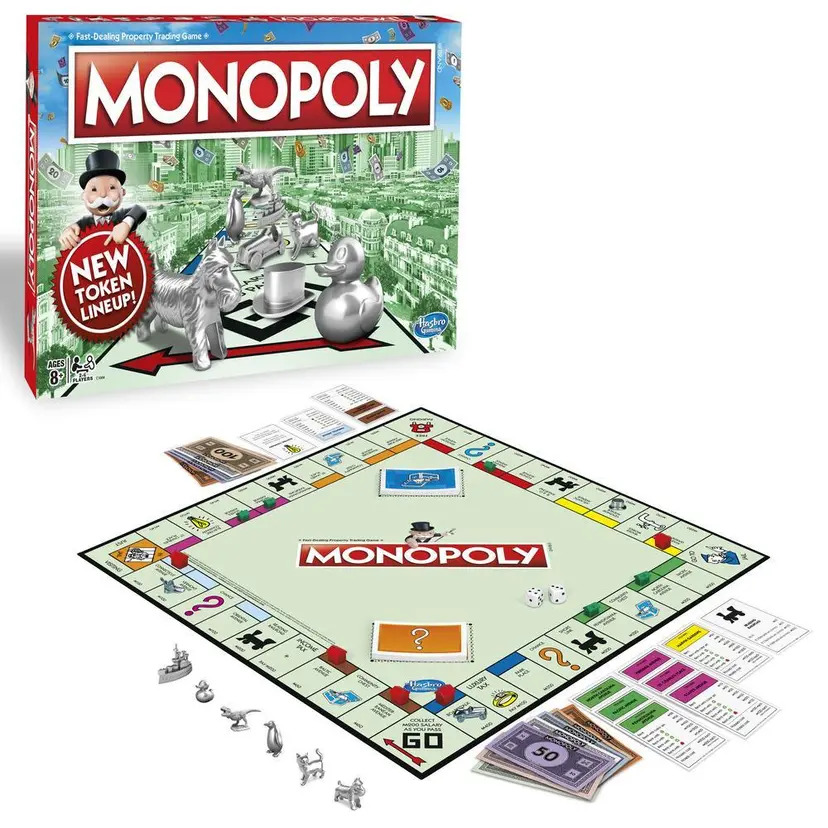
Monopoly remains the default family board game for a reason: the property trading, house building, and deal-making give every player something to do on every turn, and the rules are familiar enough that grandparents and kids can play together without a long teach. Games run long, so it suits evenings when nobody is in a rush. The main drawback is downtime — a player who falls behind early can spend a long stretch with little to do.
Budget
Best for word lovers and families with kids 8+
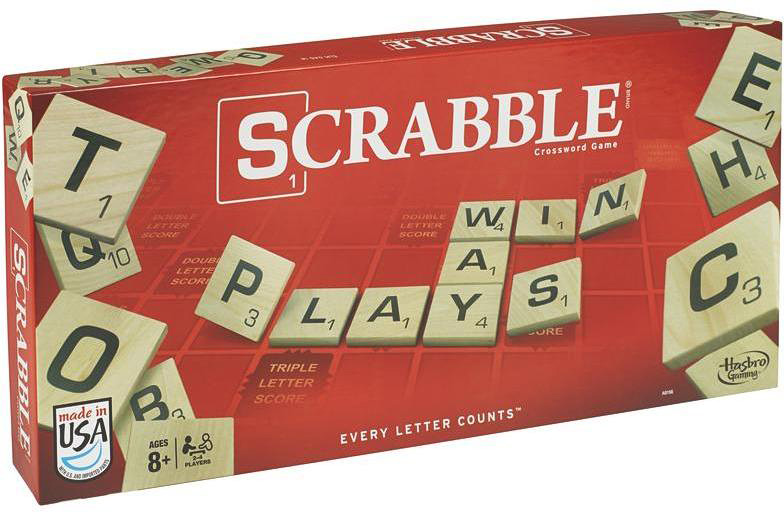
Scrabble is the quiet classic of the shelf: two to four players build words on a shared grid, so every turn is a small puzzle and a vocabulary lesson at the same time. It plays well head-to-head and in teams, which makes it flexible when the group has mixed ages or skill levels. The limitation is pace — thoughtful players can slow the game down, and younger children may need the team format to stay engaged.
Budget
Best for families with kids 8+ who like mysteries
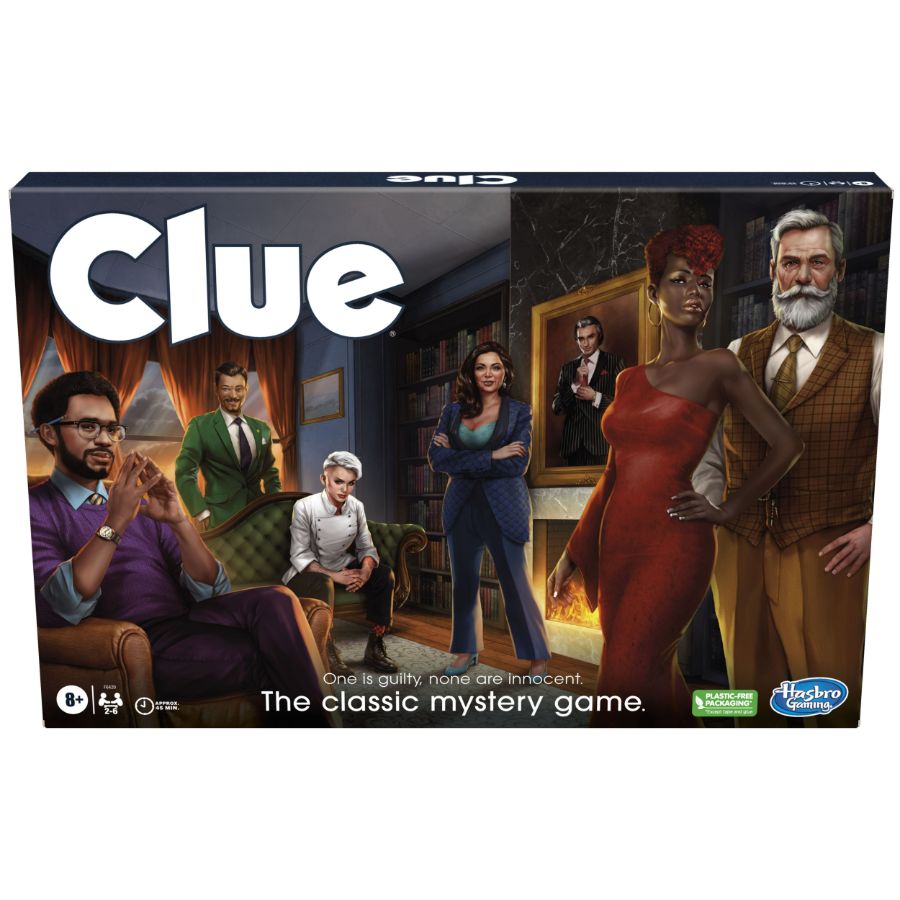
The reimagined Clue keeps the familiar deduction core — work out who did it, where, and with what — but refreshes the cast, the mansion, and the story, so it feels current rather than dated. Two to six players can join, and the deduction notebook gives younger players a clear structure for tracking clues. It is a slower, thinky game rather than a noisy one, so it fits families who enjoy reasoning together more than fast-paced party play.
Budget
Best for kids 8+ and quick two-player battles
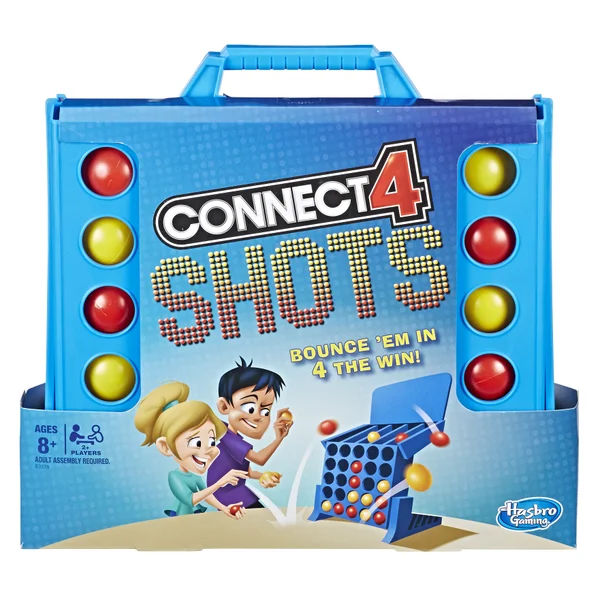
Connect 4 Shots takes the familiar four-in-a-row idea and turns it into a fast, bouncy dexterity game: players launch discs toward the grid instead of dropping them in. Rounds are short, setup is minimal, and the physical skill element levels the field between adults and children. It is louder and messier than the classic grid version, and discs will end up on the floor, so it suits energetic play rather than quiet evenings.
Budget
Best for families with kids 8+ who like light, lucky games
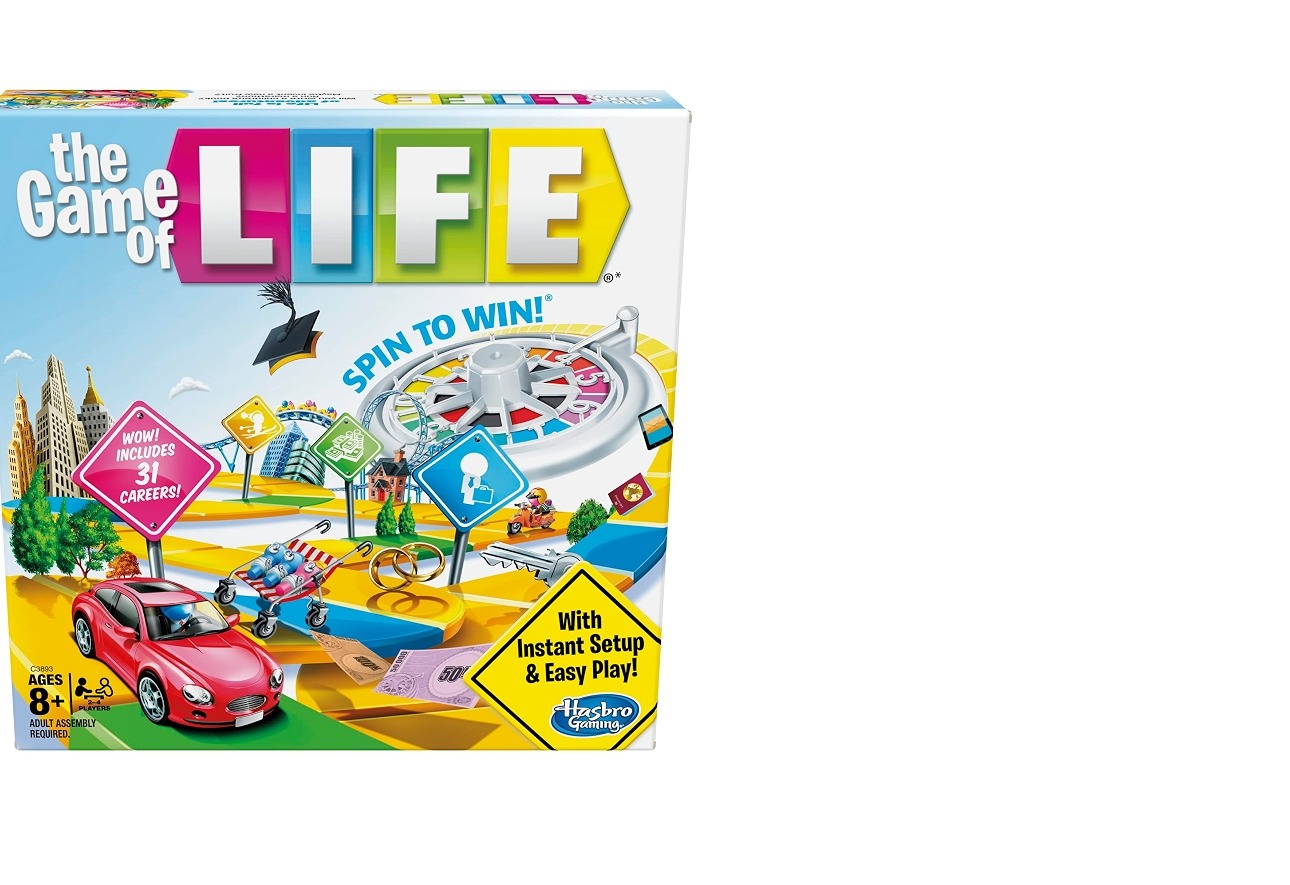
The Game of Life turns a whole lifetime into a single board: pick a career, spin the wheel, and see where the choices and surprises take you. With 31 career cards and plenty of chance events, no two games play out the same way, and the spinner keeps turns moving quickly. Luck matters more than planning here, so competitive players may find it too random, but for a relaxed family evening that is exactly the point.
Budget
Best for families with kids 6+ who want a quick classic
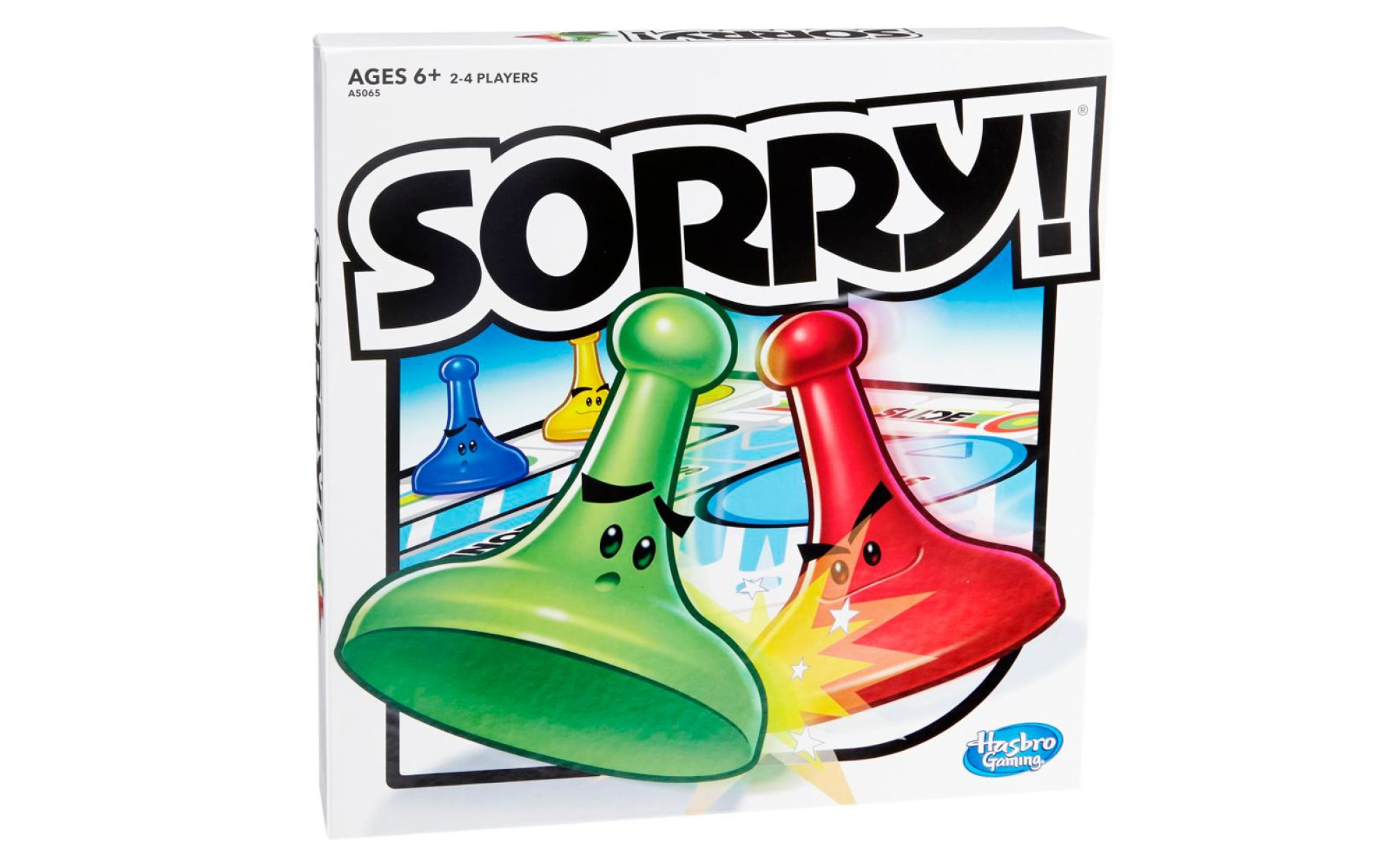
Sorry! is one of the easiest classics to get to the table: draw a card, move a pawn, and occasionally send a rival back to the start. The rules take about a minute to explain, games finish in a reasonable window, and the gentle take-that keeps everyone paying attention. It is mostly luck-driven, so adults looking for deep decisions should look elsewhere, but for younger players it is an ideal first board game.
Mid-range
Best for teens and adults who want a long strategy night
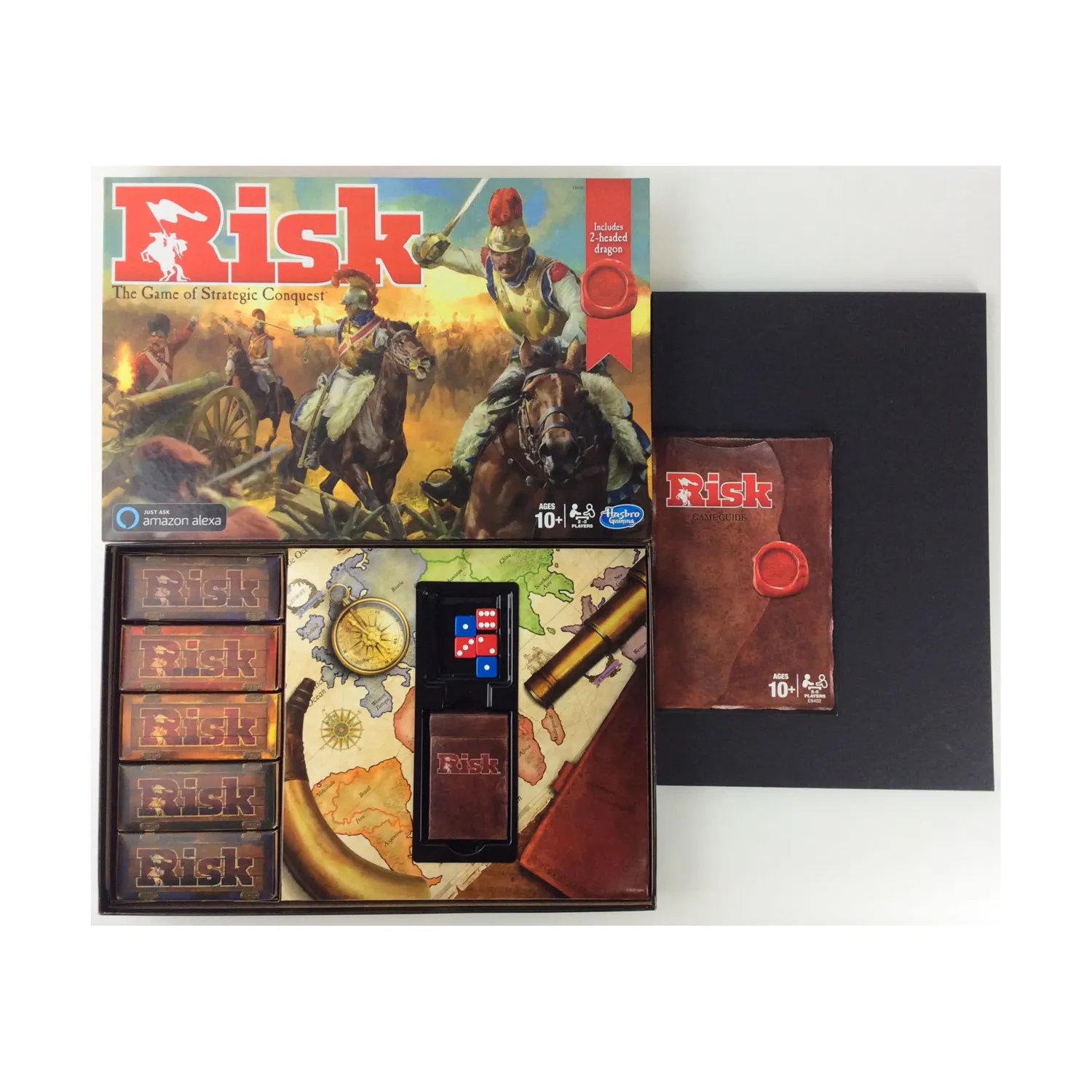
Risk is the original game of world conquest: build armies, form uneasy alliances, and roll dice to take territory after territory. It rewards patience and negotiation, and a full game can stretch across an evening, which makes it a good fit for older kids and adults who like a campaign feel. The dice can swing a careful plan sideways, and eliminated players may sit out a long finish, so it is best saved for groups that enjoy the drama as much as the win.
Budget
Best for two players ages 7+ who like head-to-head duels
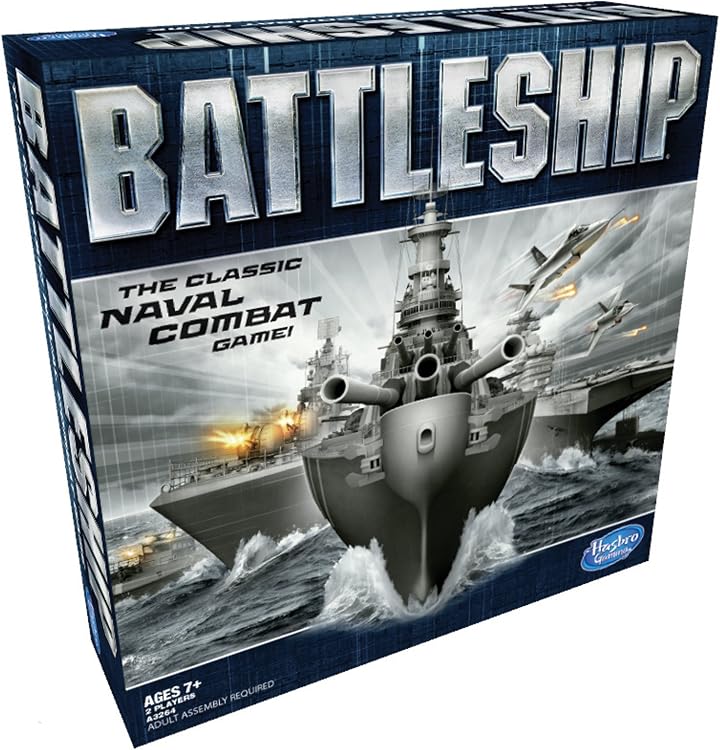
Battleship is a pure two-player duel: hide a fleet, call out grid coordinates, and work out where the enemy ships are hiding from the pattern of hits and misses. The portable battle cases keep pieces organized and make it easy to play on a small table or while travelling. The advanced Salvo mode adds a second way to play once the classic rules feel familiar. Its limitation is scope — it is strictly a two-player game, so it will not serve a larger family group on its own.
Mid-range
Best for families with kids 6+ new to strategy games
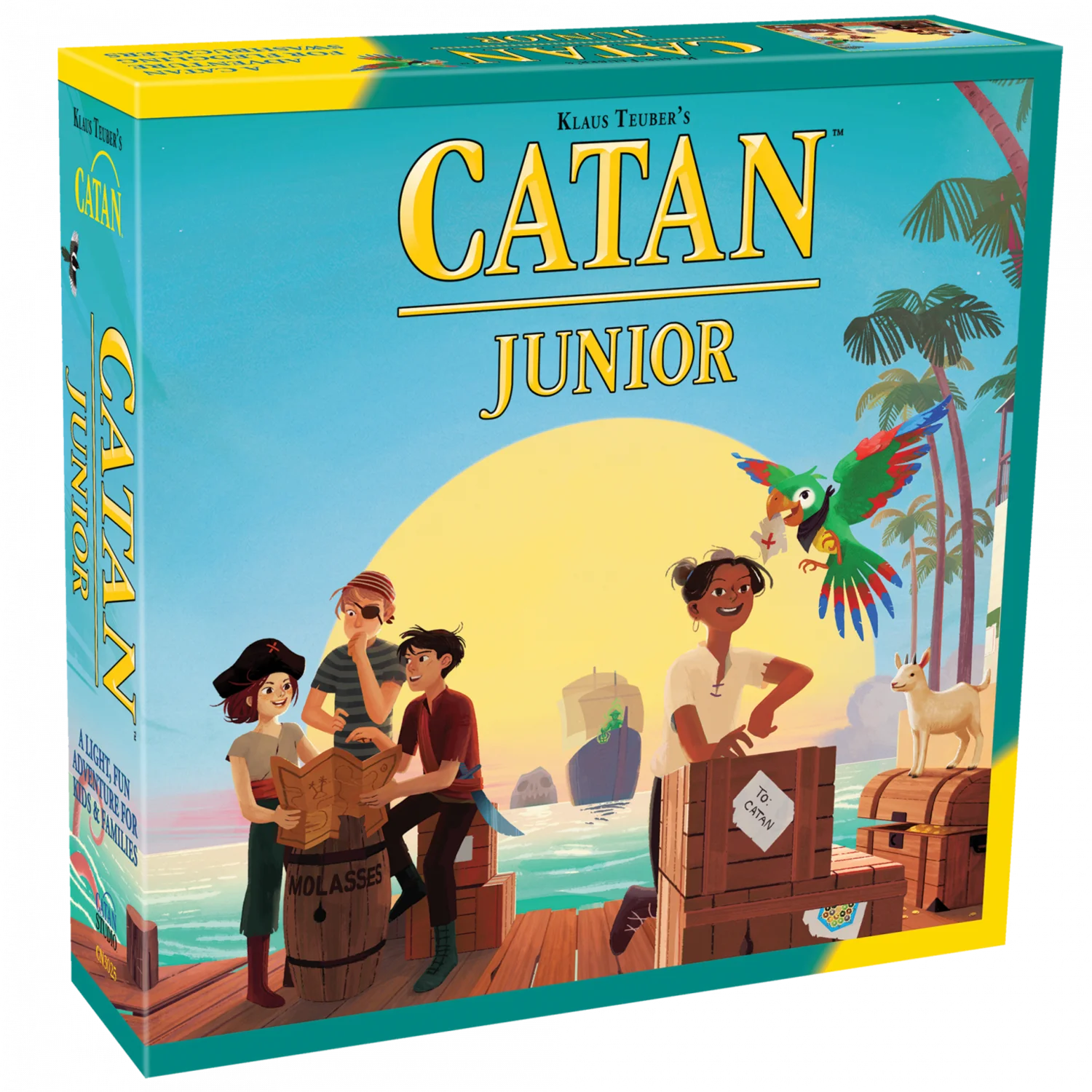
Catan Junior simplifies the trading classic for younger players: explore a pirate island, collect resources, and build hideouts and ships, with a friendly ghost captain adding light surprises. The rules are short, the board is colourful, and games finish in about half an hour. It is a good bridge from children's games to the full Catan, and older kids can still enjoy it as a quick family game. Adults may find it light after a few plays, but for its target age it hits the mark.
Budget
Best for families with kids 6+ starting out
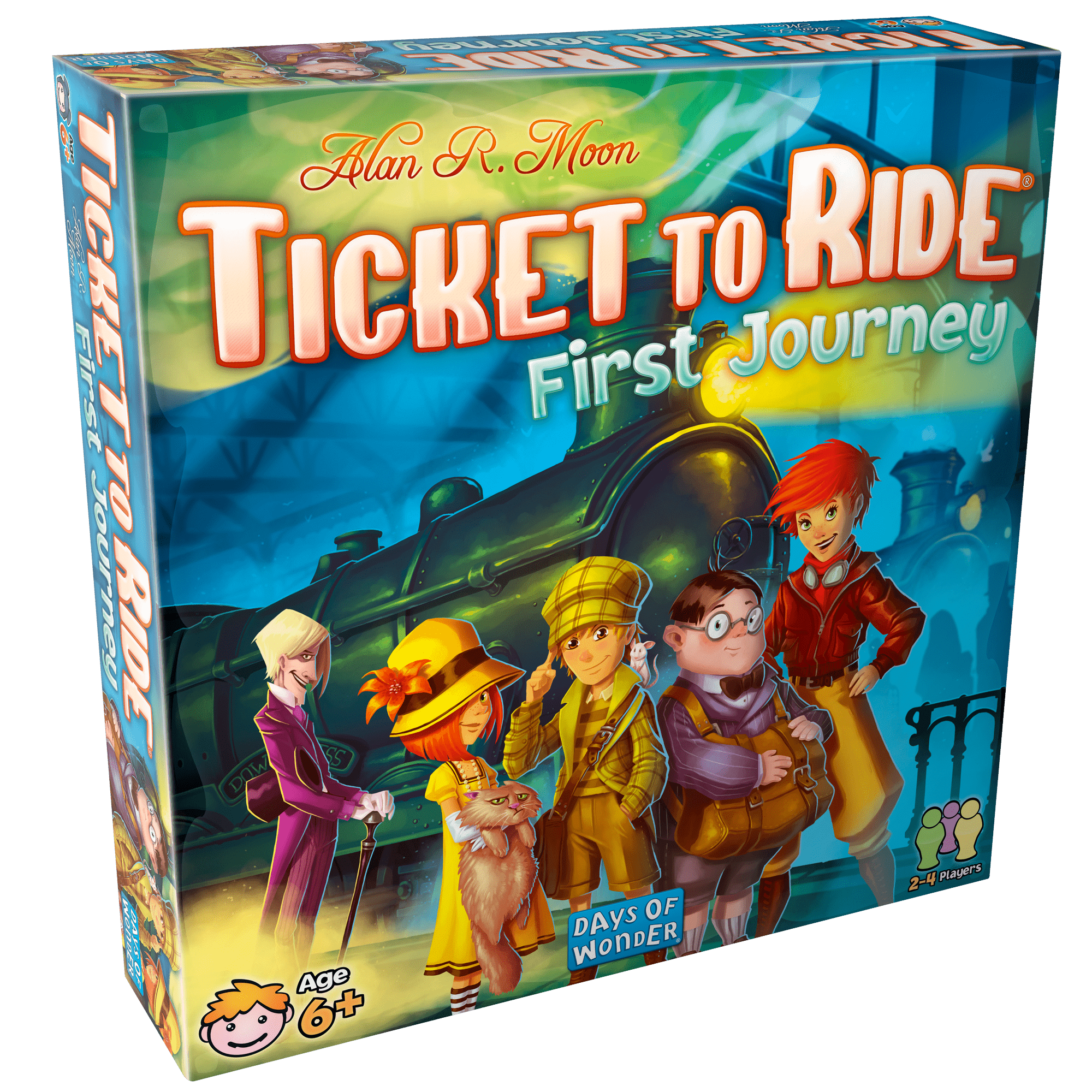
First Journey is Ticket to Ride redesigned for young players: a simpler map, shorter routes, and a first-to-six-tickets win condition that keeps games to about fifteen to thirty minutes. Children learn the route-building idea without the scoring complexity of the full game. It is a genuine stepping stone — kids who outgrow it can move straight to the original. The trade-off is replay value for adults, who will find it too simple to play on their own.
Budget
Best for two players ages 6+ and travel
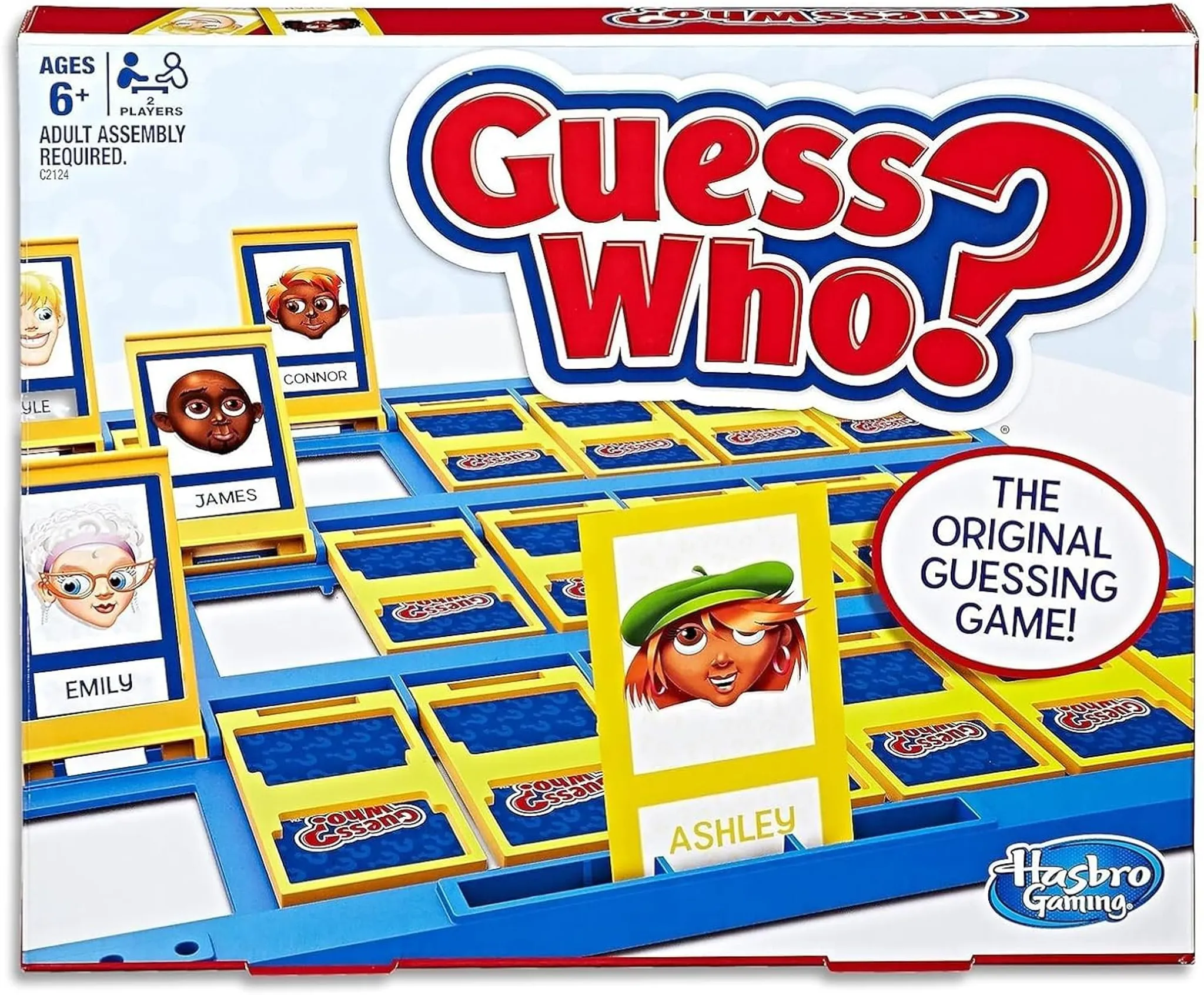
Guess Who? is a two-player deduction game built on yes-or-no questions: narrow down the faces on your opponent's board until only one suspect remains. The flip-down frames make the logic visible, which helps younger players learn to ask useful questions. It is compact, quick, and easy to replay. The limitation is variety — after many plays, the questions can feel familiar — but the double-sided character sheets, including a superhero side, add a fresh option.
Budget
Best for preschoolers ages 3+ and first-time players
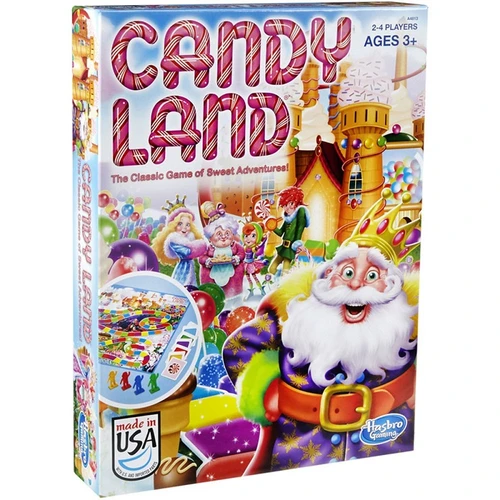
Candy Land is often a child's first board game, and for good reason: there is no reading and no counting — just draw a card and move to the matching colour on a sweet, colourful path. It teaches turn-taking and following a simple sequence, and games are short enough for a preschool attention span. Adults will find it entirely luck-based, but that is the point at this age: a three-year-old can play it properly and win on their own.
Budget
Best for preschoolers ages 4+ who like fast, noisy play
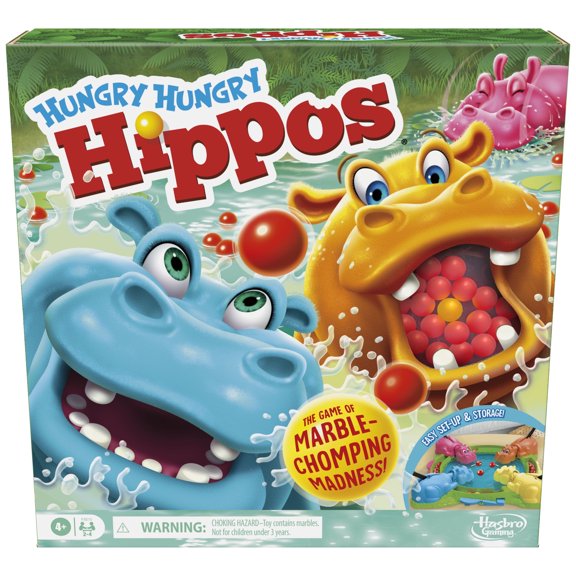
Hungry Hungry Hippos is a simple race to chomp the most marbles: press the hippo's tail as fast as you can and watch the marbles disappear. It needs no reading, no counting, and no strategy, which makes it ideal for the youngest players and for high-energy playdates. The game is loud and physical, and the marbles scatter, so it suits a playroom floor more than a quiet table. The golden marble rule adds a small twist that can end a game in a surprise win.
Budget
Best for kids 6+ who like silly skill games
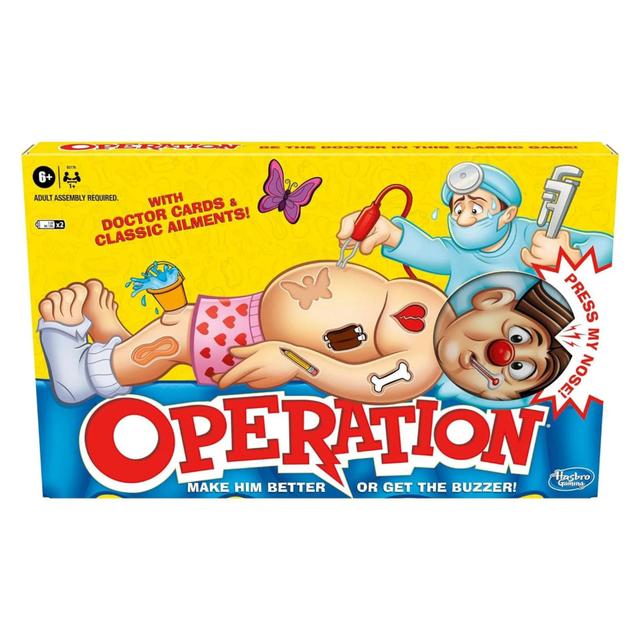
Operation is a steady-hand challenge: use tweezers to remove funny ailments from the patient without touching the sides, or the buzzer sounds and the nose lights up. It is a classic for a reason — the tension is real, the pieces are memorable, and rounds are short, whether played solo or with friends taking turns. It needs batteries, and the buzzer is loud, so it is best played where noise is welcome. The tweezers can frustrate very young children, who may prefer a simpler dexterity game.
Budget
Best for travel and families with kids 7+ on the go
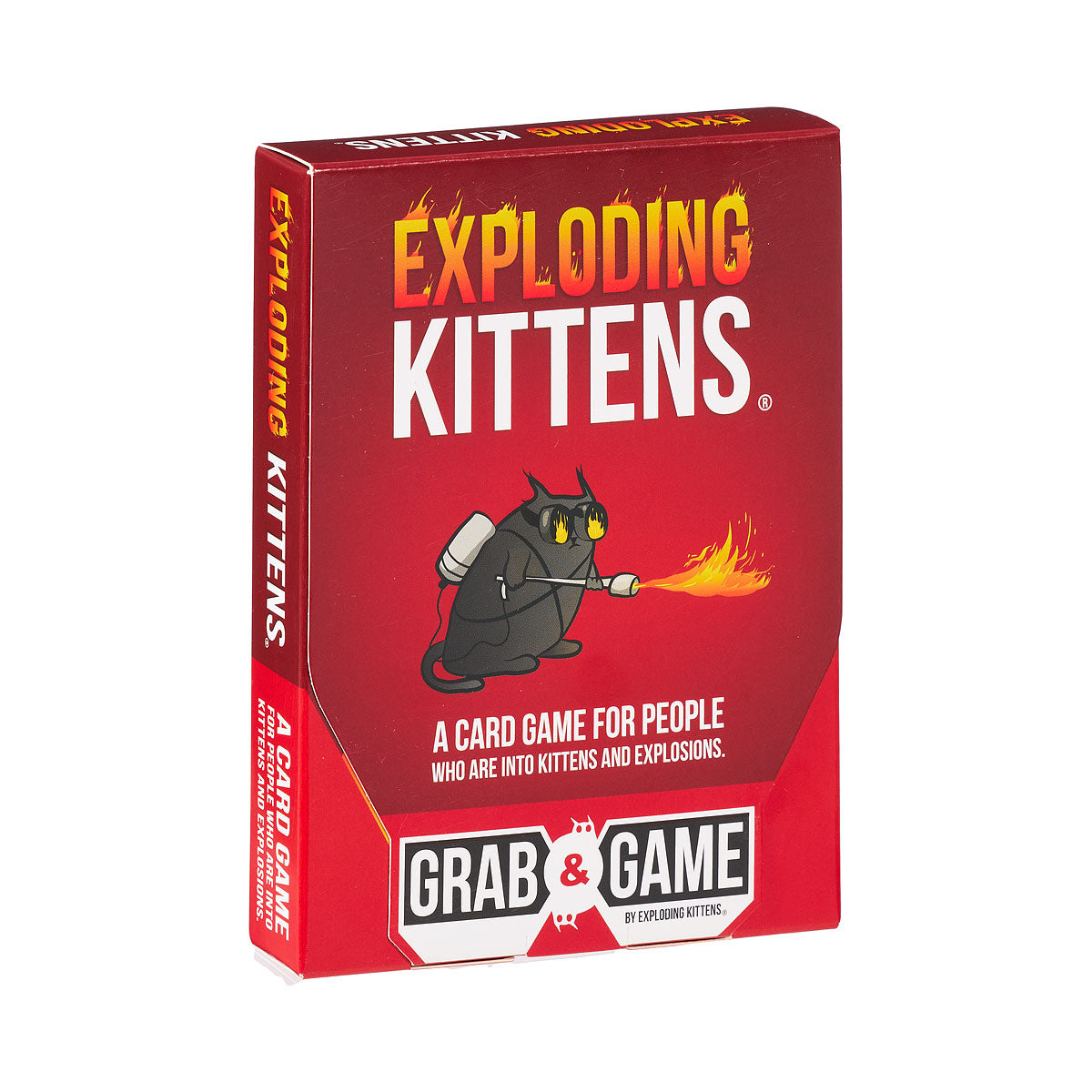
Grab & Game is the travel-sized version of Exploding Kittens: the same avoid-the-kitten tension in a pocket-sized tin that fits in a bag or a car door pocket. It plays in about ten minutes with two to four players, which makes it a natural fit for holidays, waiting rooms, and camping trips. The smaller deck means slightly fewer card combinations than the full game, but for portable play that trade is worth it.
Budget
Best for groups of 4+ who like word games
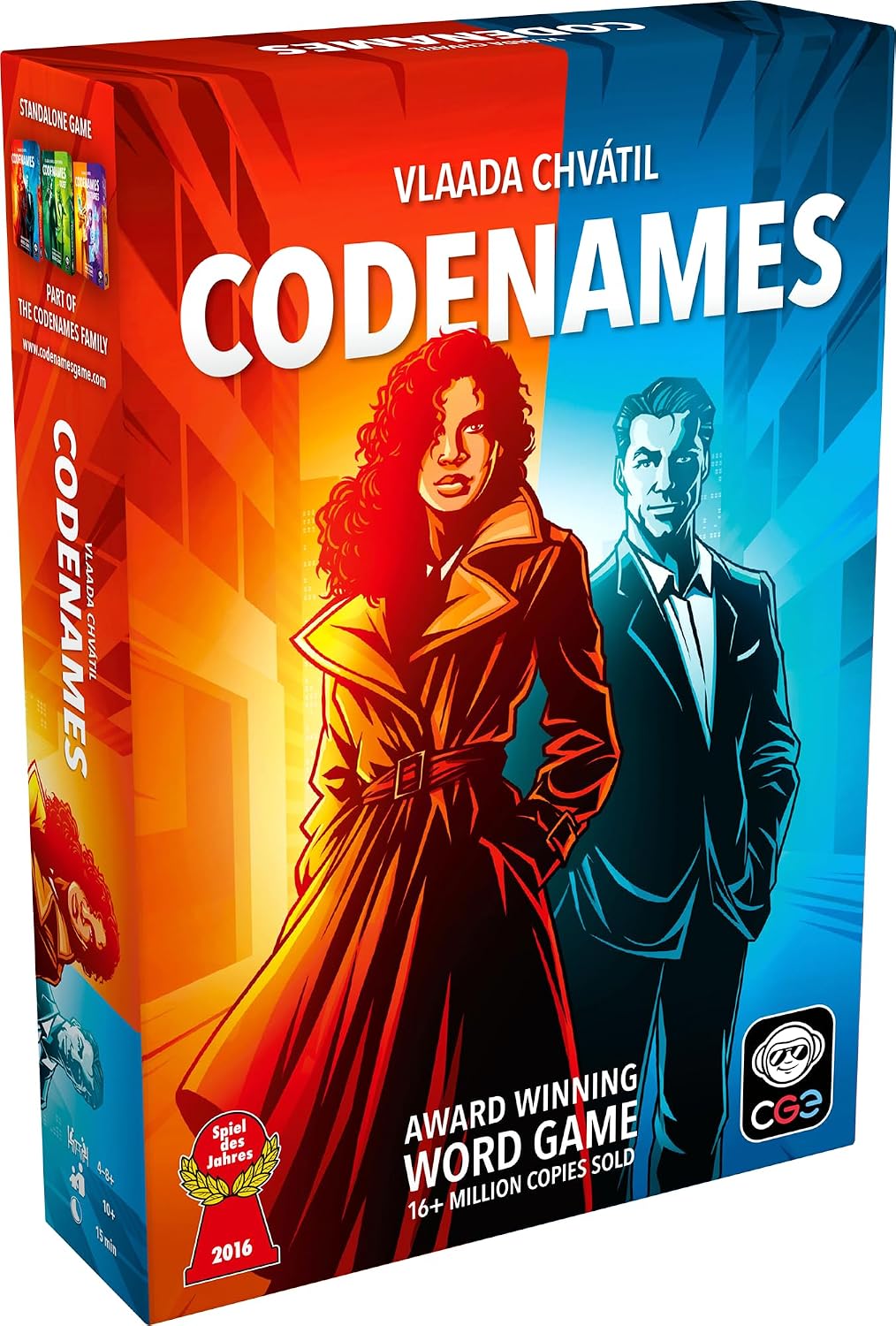
Codenames is a team word game built on one-word clues: a spymaster gives a single hint that links several secret words, and their team has to guess which ones — without touching the assassin. It plays in about fifteen minutes, scales to large groups, and generates the kind of debates that keep a party talking after the game ends. It needs at least four players to work properly, and the quality of a round depends on the spymaster, so shy groups may take a game to warm up.
Budget
Best for families with kids 7+ who like silly card games
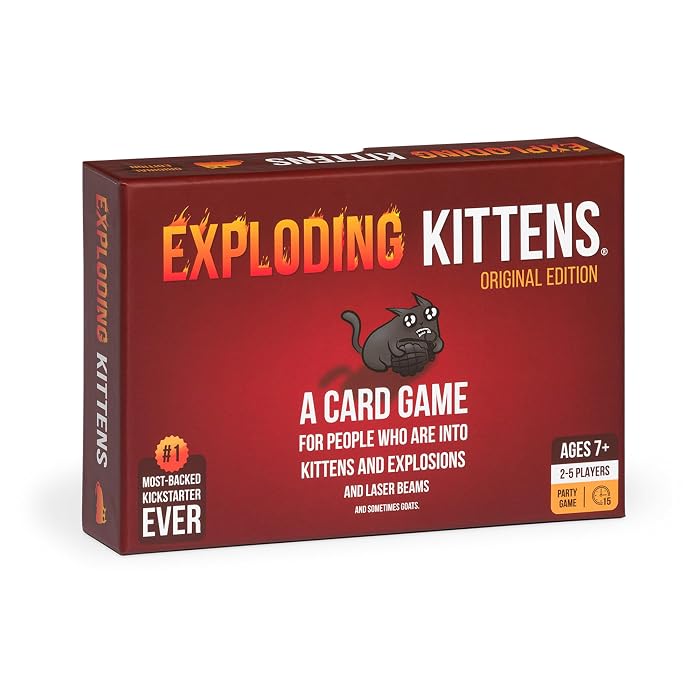
Exploding Kittens is a fast card game with a simple tension: draw cards, avoid the exploding kitten, and use action cards to skip, shuffle, or peek at the deck. Rounds last about fifteen minutes, the artwork is playful, and the rules are easy enough for younger players to pick up in one round. It is heavily luck-based, so strategy-minded players may find it light, but as a quick, funny filler between bigger games it does its job well.
Budget
Best for families with kids 7+ and mixed-age groups
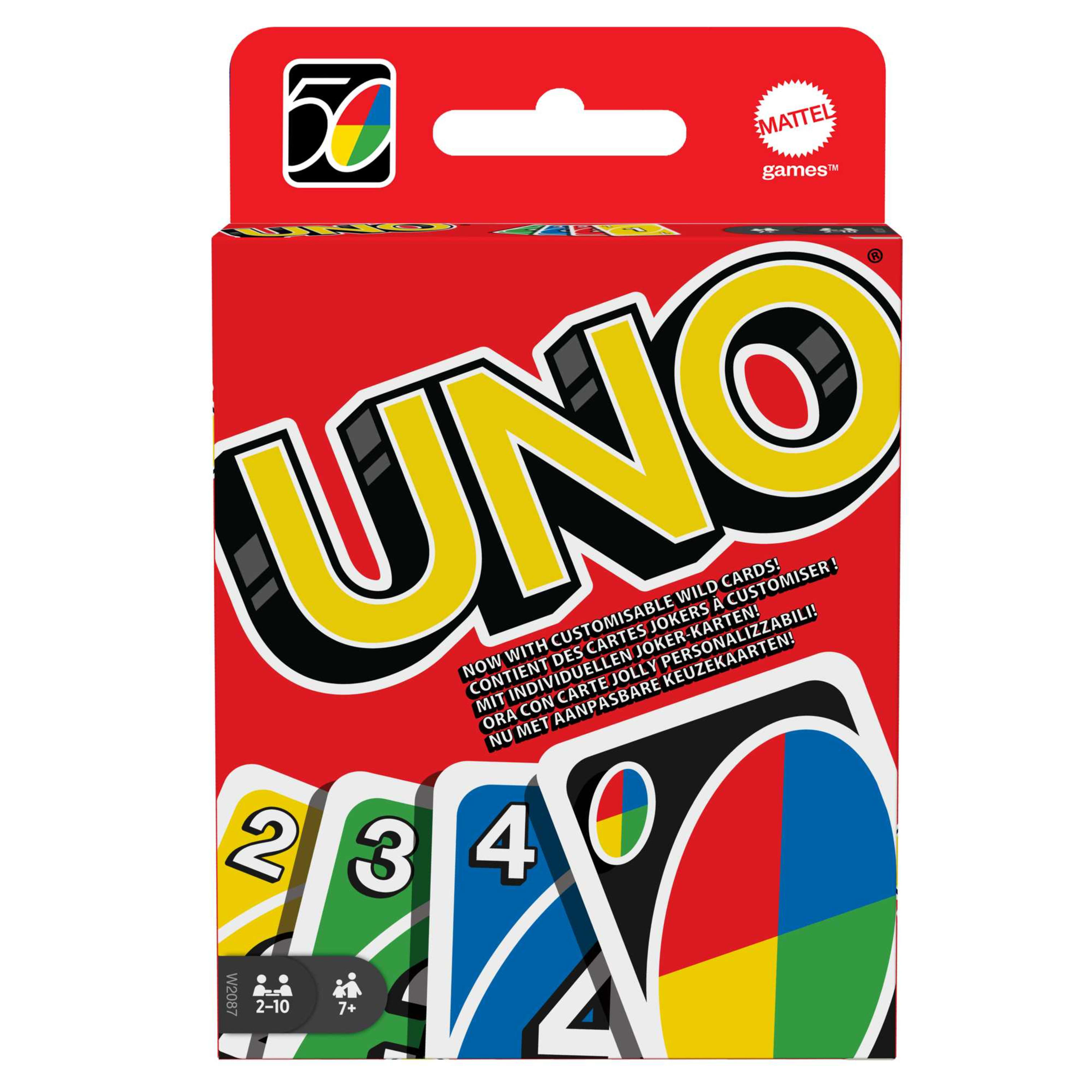
UNO is the card game almost everyone already knows: match colours and numbers, play action cards to skip or reverse the turn, and be the first to empty your hand. This edition is colour-blind accessible and includes a customizable card, which makes it easier for more players to join in. It is portable and works from two players up to ten. The drawback is the same as its strength — the game is mostly luck, and a run of bad draws can leave a player waiting while others play.
Budget
Best for families with kids 8+ who want Monopoly in 15 minutes
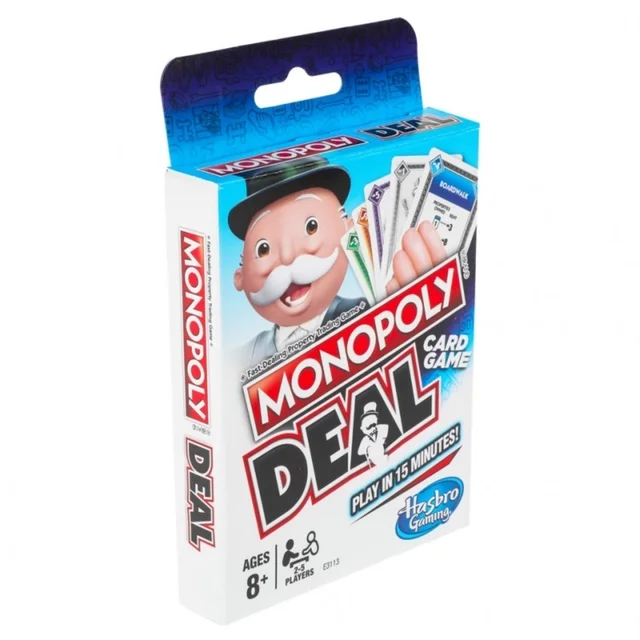
Monopoly Deal distils the board game into a fast card game: collect three complete property sets before anyone else, using action cards to charge rent, steal properties, and block opponents. A full game takes about fifteen minutes, and the deck fits in a pocket, so it works as a travel game as well as a table game. It keeps the trading and take-that spirit of Monopoly without the long runtime. The luck of the draw matters a lot, and a well-timed steal can feel harsh, so it suits groups that enjoy playful rivalry.
Budget
Best for energetic families and parties with kids 7+ who like fast, physical games
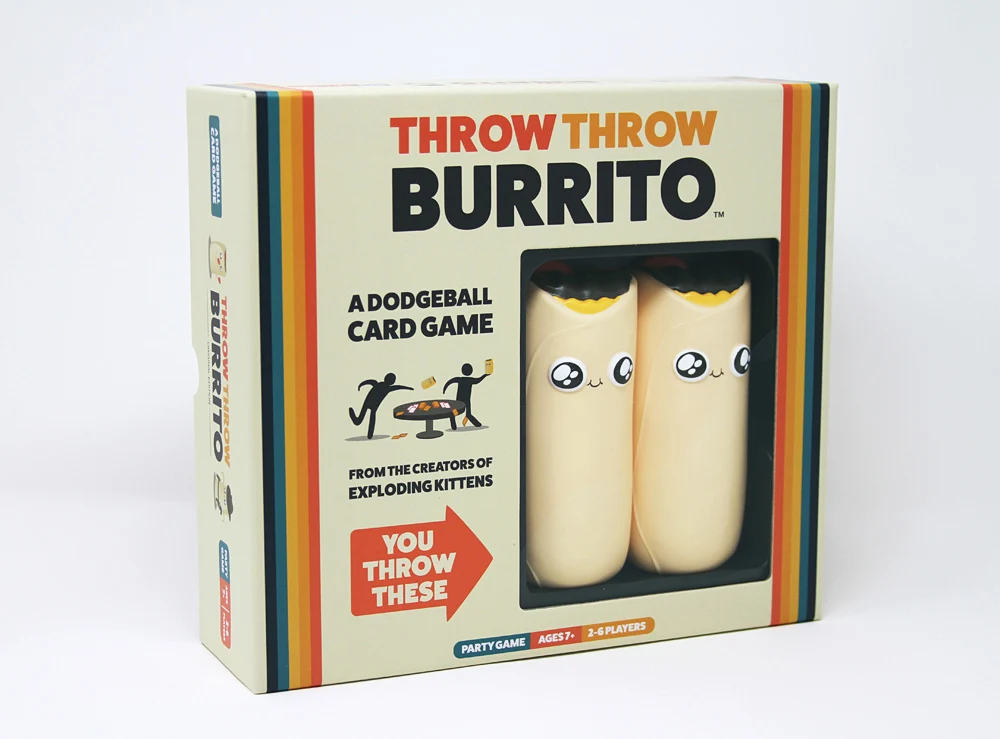
Throw Throw Burrito crosses a matching card game with dodgeball: collect sets of three matching cards to score, while action cards send soft foam burritos flying across the table. It suits energetic families and parties with kids 7 and up who want a game night that gets everyone laughing and moving. Rounds are quick, the rules take a minute to explain, and the burrito throws create the kind of moments people retell afterwards. The honest limitation is space and noise — it needs room to duck and dodge, and it is far too rowdy for a quiet evening or a small table.
Premium
Best for large groups and parties of 6 to 12
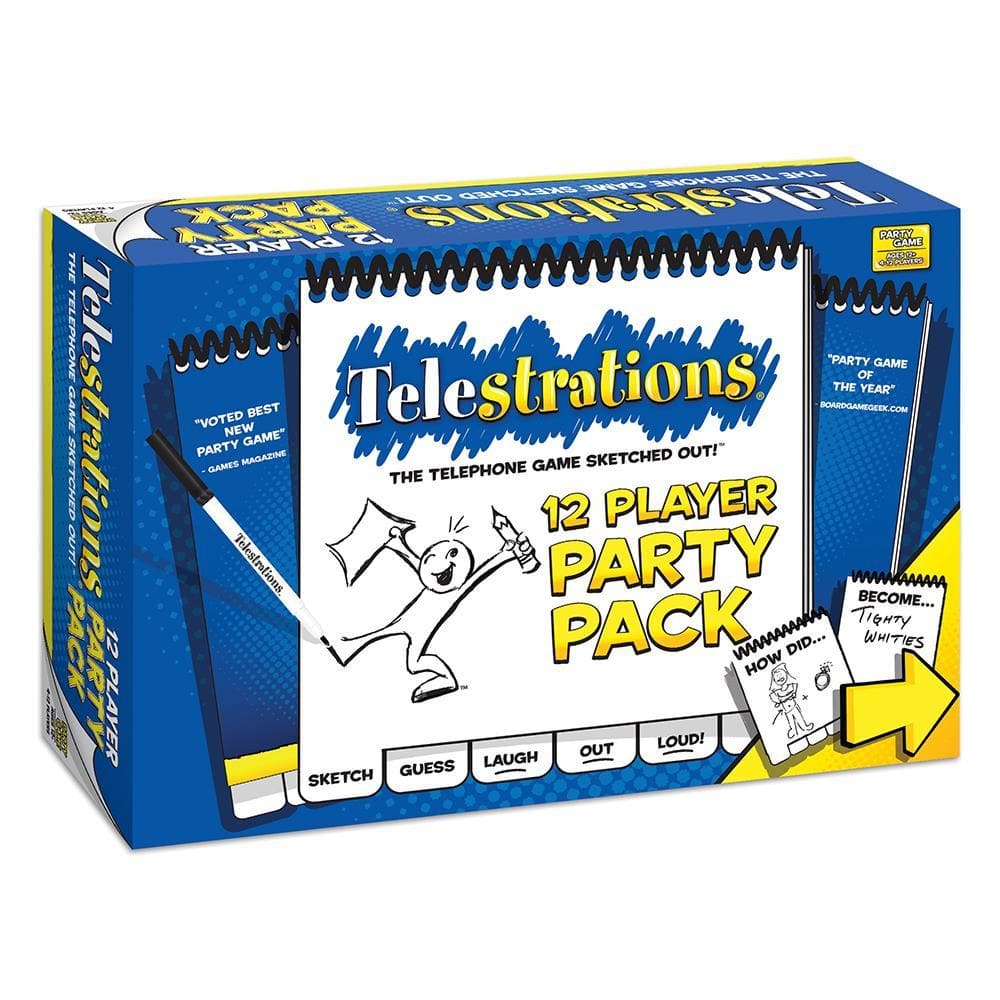
Telestrations is the drawing game that turns telephone into art: sketch a word, pass the book, guess the sketch, and watch the meaning drift into something hilarious by the final reveal. The 12-player party pack includes enough sketch books for a full room, which makes it one of the few games that genuinely works for a dozen people at once. No drawing skill is needed — bad drawings make it funnier. The main limitation is table space and time: a full round with twelve players needs room to pass books and a relaxed schedule.
Budget
Best for two players and couples who like word games
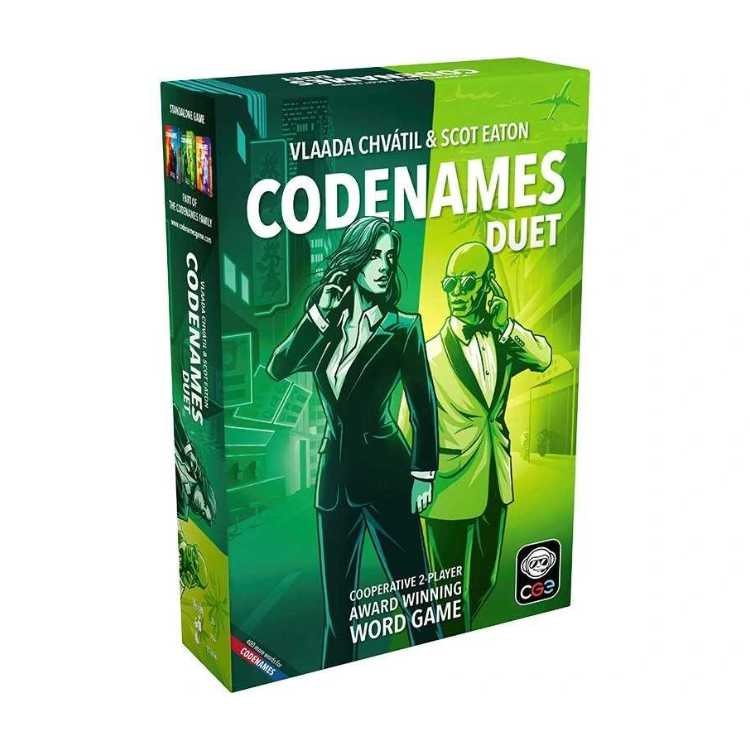
Codenames: Duet rebuilds the team word game for two players working together: give one-word clues, find the shared agents, and avoid the assassins before time runs out. It keeps the clever clue-giving of the original while adding a cooperative mission structure and a campaign of scenarios. It is a strong pick for couples or two-player households that want a thoughtful, talkative game. It does not support larger groups the way the original does, so it is a companion to Codenames rather than a replacement.
Premium
Best for families with kids 10+ ready for real strategy
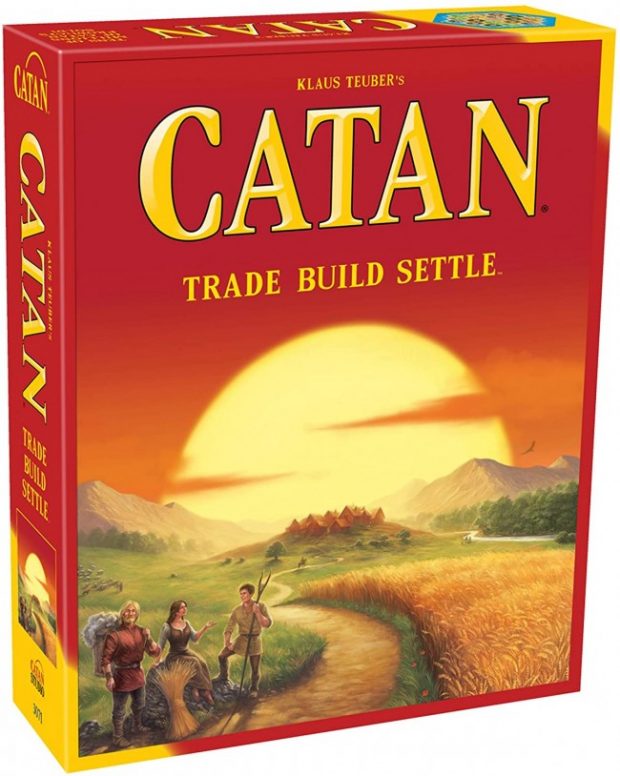
Catan is the modern classic that turned many families into board gamers: players settle a modular island, trade resources, and race to ten points, so every game builds a different map and a different negotiation. Trading is the heart of it — a good deal can matter more than a good dice roll — and the game scales well from three to four players. New players should expect a learning curve in the first game, and the dice can favour one player heavily, but the mix of strategy and social play is why it has stayed popular for decades.
Premium
Best for families with kids 8+ who want gentle strategy
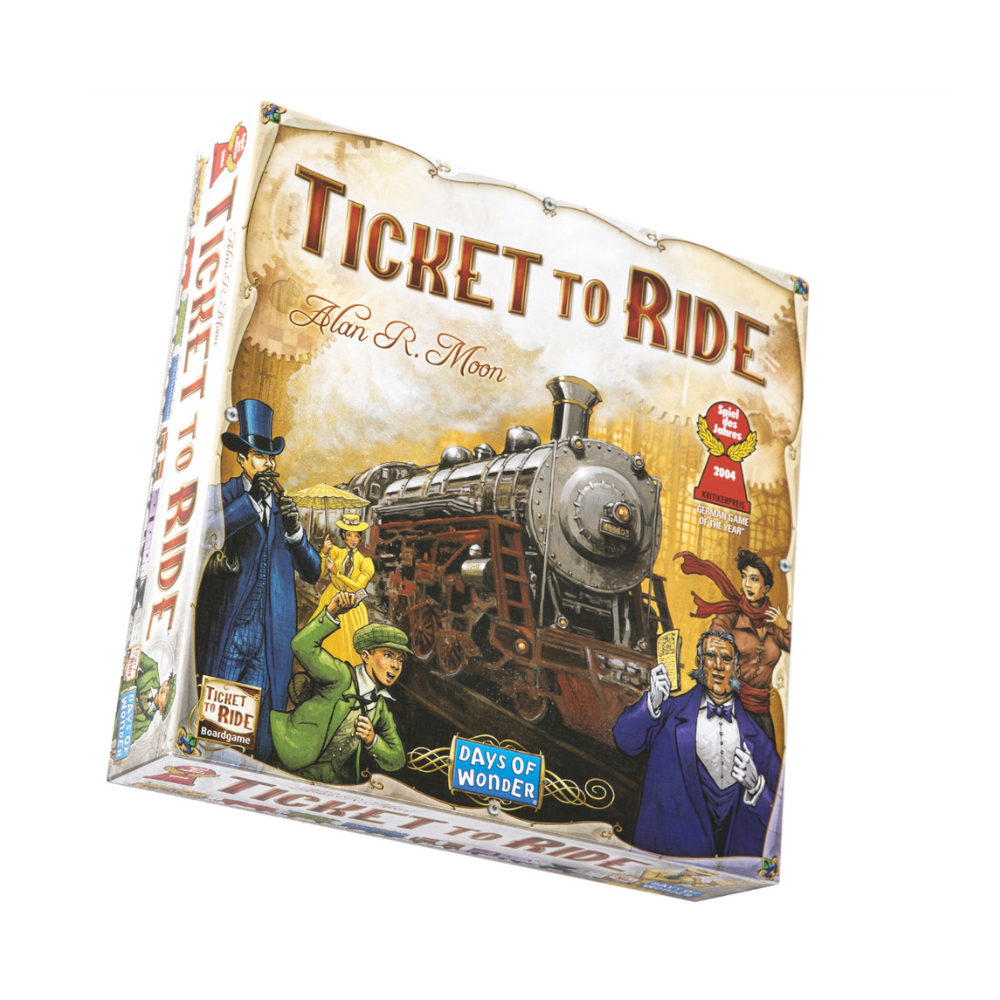
Ticket to Ride is one of the easiest strategy games to teach: collect matching train cards, claim routes across North America, and complete secret destination tickets for bonus points. The rules take minutes to learn, turns are quick, and the board stays readable even with five players. Blocking an opponent's route adds a light competitive edge without direct conflict. The main trade-off is luck — a bad draw can stall a plan — but that randomness also keeps the game welcoming for first-time players.
Mid-range
Best for families with kids 8+ who like beautiful puzzle games
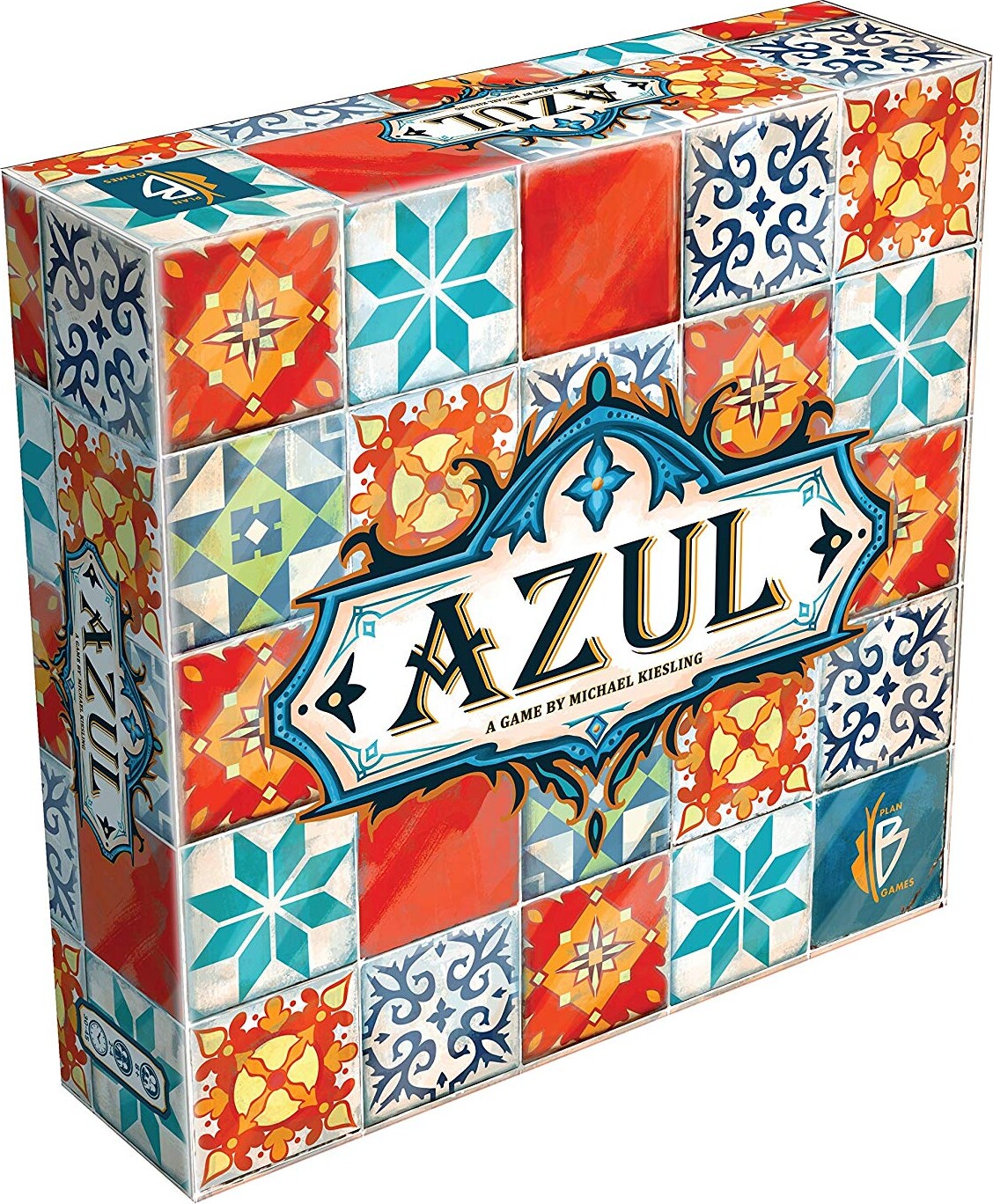
Azul is a tile-placement game with a simple core: draft coloured tiles, place them in patterns on your board, and score for completed rows and columns. It is easy to teach in a few minutes, yet the drafting decisions get genuinely tense as the shared tile pools shrink. The tiles themselves are chunky and pleasant to handle, which adds to the table appeal. The one thing to know is that the game can be quietly competitive — taking tiles an opponent needs is a real tactic, so sensitive players may feel targeted.
Mid-range
Best for families and friends who prefer teamwork over competition
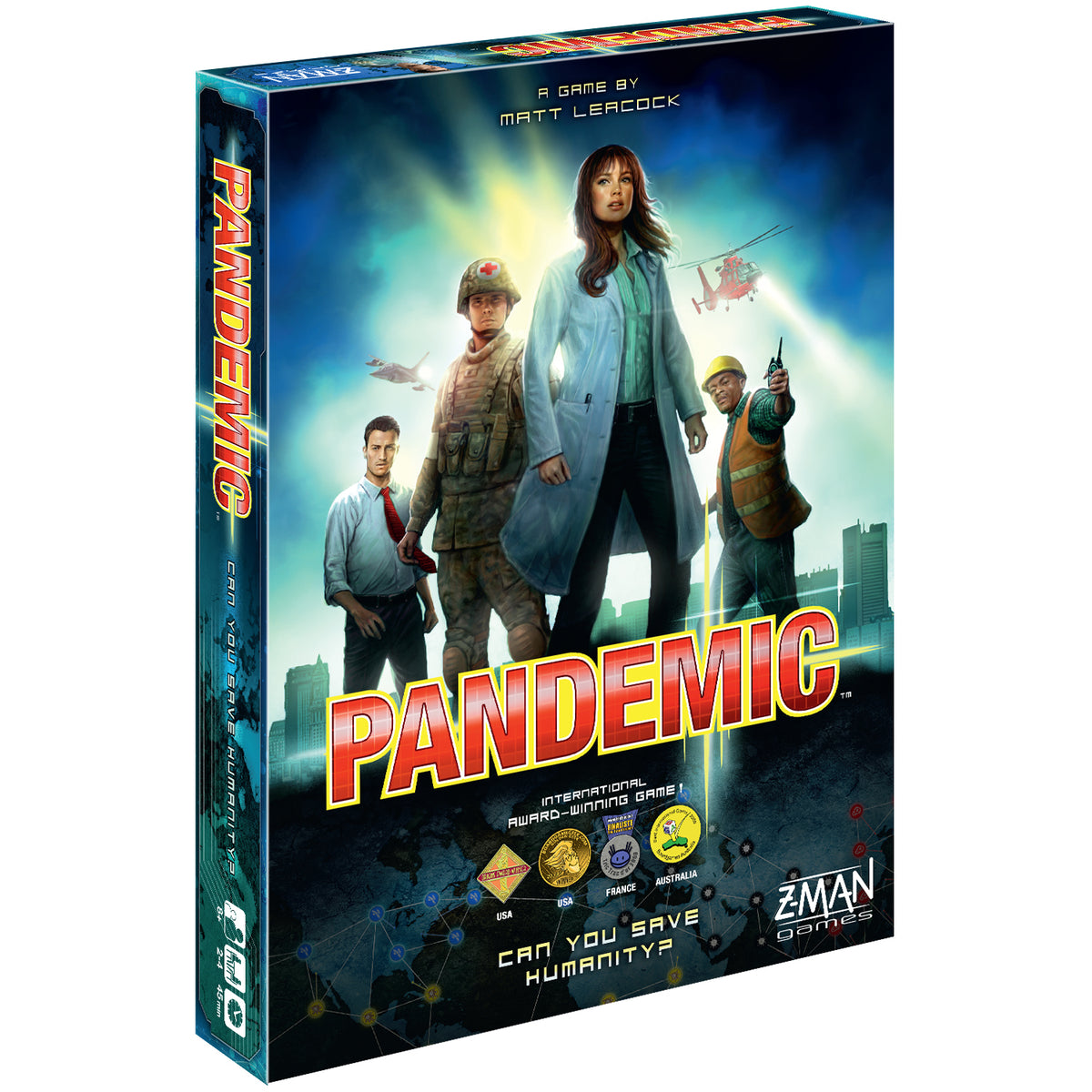
Pandemic flips the usual board game script: two to four players work together to cure four diseases before outbreaks overwhelm the world map. Everyone wins or loses as a team, which makes it a strong pick for groups that dislike player elimination or direct conflict. The difficulty is adjustable, so families can start gently and raise the challenge as they learn. The known weakness is the quarterback problem — one confident player can end up directing everyone else's turns — so it works best when the group agrees to decide together.
Mid-range
Best for adults and teens who like quick engine-building
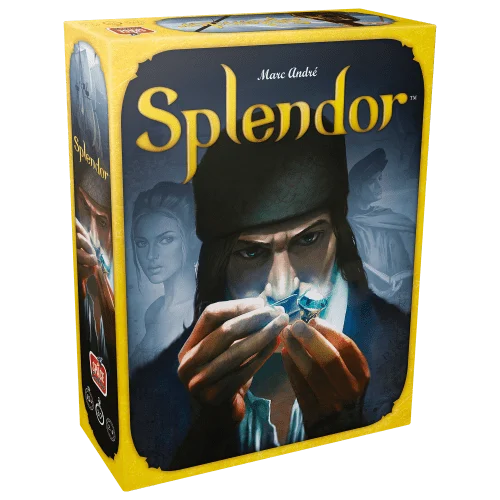
Splendor is a compact gem-collecting game: take tokens, buy cards, and build an engine that lets you afford bigger cards and attract noble patrons. Games run about half an hour, the rules are minimal, and the weighty gem tokens feel satisfying in hand. It plays well at two players as well as four, which makes it a reliable choice for couples and small groups. The trade-off is theme — the Renaissance merchant setting is light, and the game is really an abstract puzzle dressed up in gemstones.
Mid-range
Best for families with kids 7+ who like building together
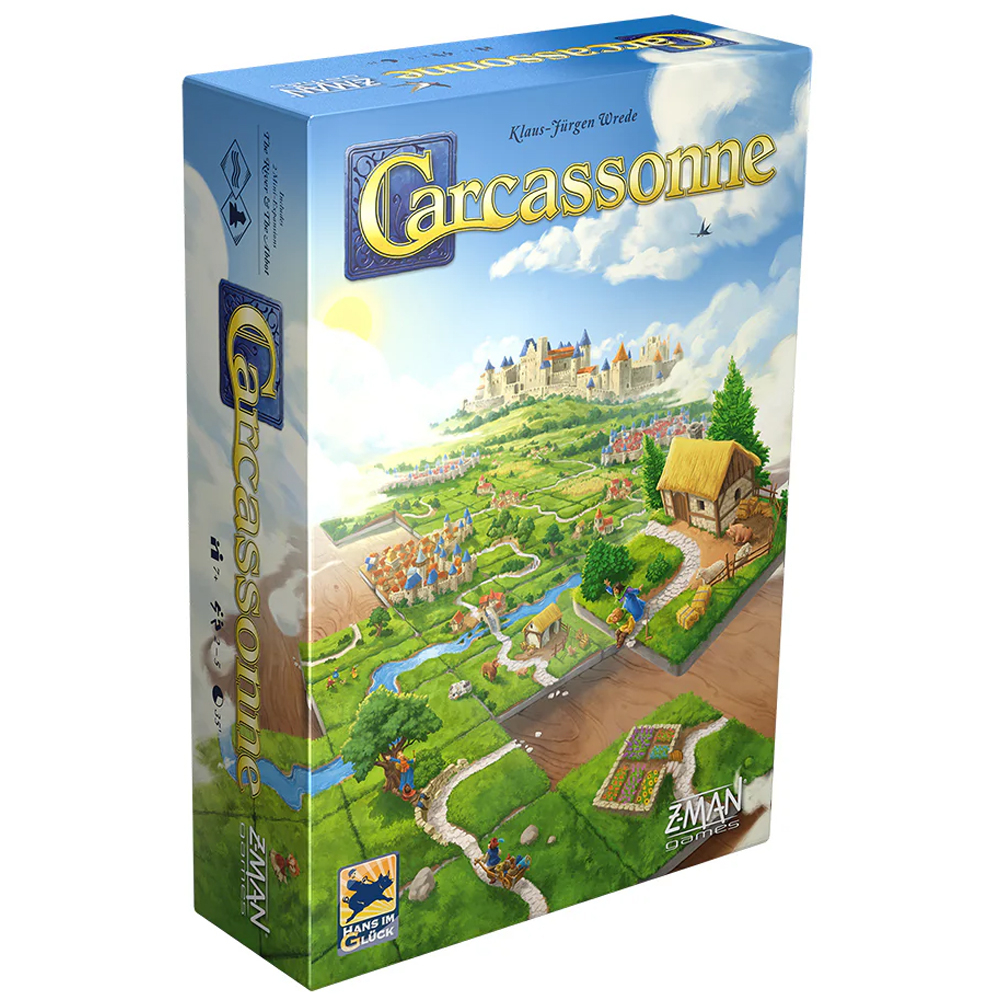
Carcassonne builds its board as you play: each turn, a player draws a landscape tile and places it to grow cities, roads, and fields, then decides whether to claim a feature with a follower. The rules are short, the game is calm and visual, and the included River and Abbot mini-expansions add variety without complexity. It is a good step up from children's games because the strategy is visible on the table. The main limitation is that scoring takes a little practice, so a first game benefits from a patient teacher.
Mid-range
Best for Catan owners ready for a bigger map
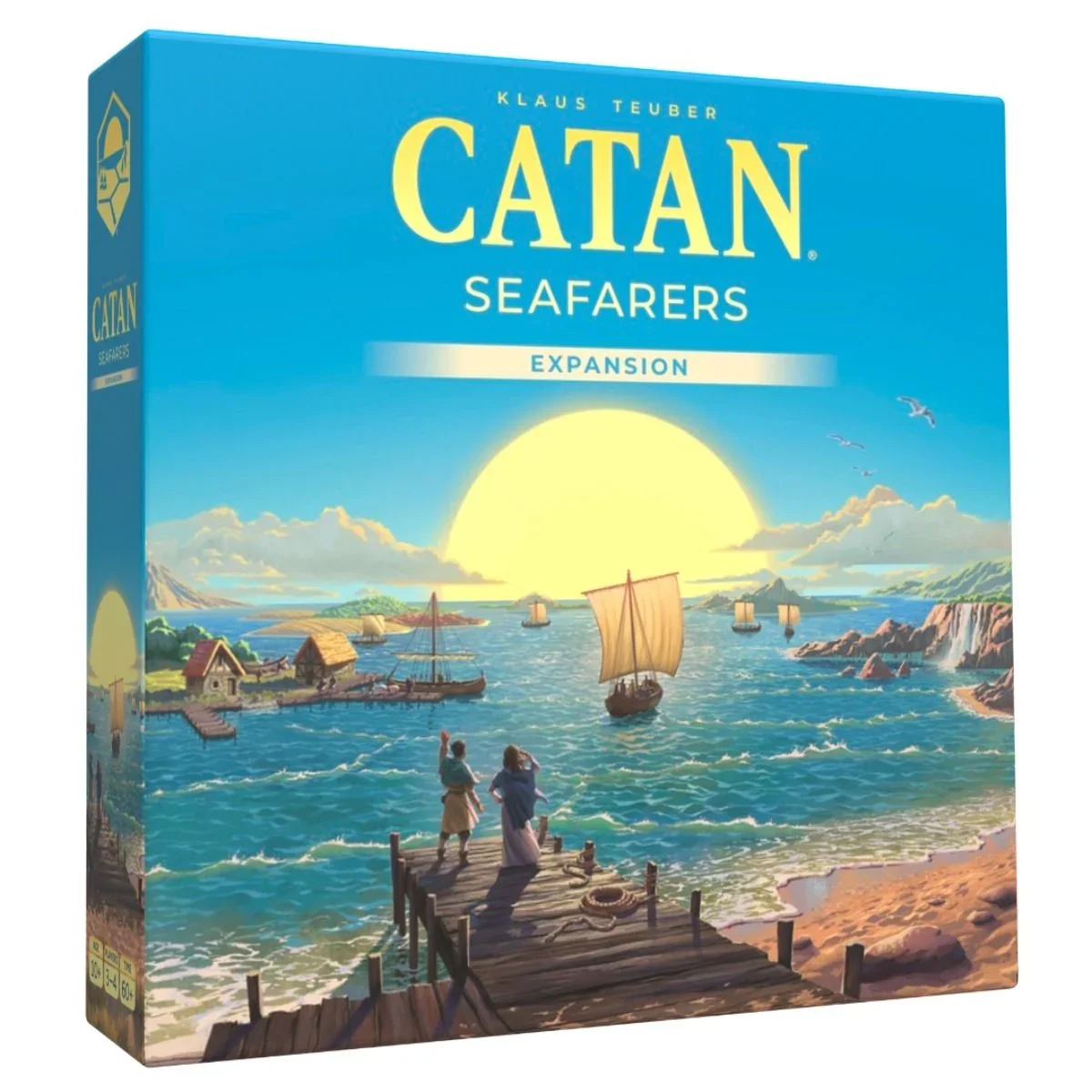
Seafarers is the expansion that gives Catan owners a new reason to come back: it adds ships, gold fields, and multiple island scenarios, so the familiar trading game gains exploration and a much larger map. It requires the Catan base game to play, and it works best with players who already know the core rules. Setup takes longer and the table footprint grows, so it suits groups that already love Catan and want more of it rather than newcomers looking for a first game.
Mid-range
Best for Azul fans and families with kids 8+ who want a prettier tile puzzle
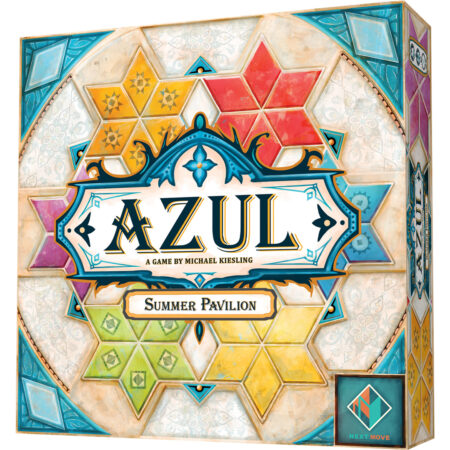
Azul: Summer Pavilion keeps the tile-drafting heart of the original and gives it a new shape: players draft diamond-shaped tiles and build them into star patterns on their own boards, with a different colour going wild each round. It suits families and couples who already like Azul and want a prettier, slightly more puzzle-like follow-up that still teaches in minutes. The star boards look striking on the table, and the rotating wild colour keeps every round feeling different. The trade-off is that it is a gentler, more solitary puzzle than the original — there is less direct interaction between players, so groups who enjoy blocking each other may find it quieter.
Scroll sideways to compare →
| Product | Category | Tier | Best for | Amazon |
|---|---|---|---|---|
| Monopoly Board Game (Classic) | Family Classics | Budget | Best for families with kids 8+ who want a classic game night | Check price |
| Scrabble Board Game | Family Classics | Budget | Best for word lovers and families with kids 8+ | Check price |
| Clue Board Game (Reimagined) | Family Classics | Budget | Best for families with kids 8+ who like mysteries | Check price |
| Connect 4 Shots Game | Family Classics | Budget | Best for kids 8+ and quick two-player battles | Check price |
| The Game of Life Board Game | Family Classics | Budget | Best for families with kids 8+ who like light, lucky games | Check price |
| Sorry! Board Game | Family Classics | Budget | Best for families with kids 6+ who want a quick classic | Check price |
| Risk Board Game | Family Classics | Mid-range | Best for teens and adults who want a long strategy night | Check price |
| Battleship Classic Board Game | Family Classics | Budget | Best for two players ages 7+ who like head-to-head duels | Check price |
| Catan Board Game (5th Edition) | Strategy & Cooperative | Premium | Best for families with kids 10+ ready for real strategy | Check price |
| Ticket to Ride Board Game | Strategy & Cooperative | Premium | Best for families with kids 8+ who want gentle strategy | Check price |
| Azul Board Game | Strategy & Cooperative | Mid-range | Best for families with kids 8+ who like beautiful puzzle games | Check price |
| Pandemic Board Game | Strategy & Cooperative | Mid-range | Best for families and friends who prefer teamwork over competition | Check price |
| Splendor Board Game | Strategy & Cooperative | Mid-range | Best for adults and teens who like quick engine-building | Check price |
| Carcassonne Board Game (New Edition) | Strategy & Cooperative | Mid-range | Best for families with kids 7+ who like building together | Check price |
| Catan: Seafarers Expansion (6th Edition) | Strategy & Cooperative | Mid-range | Best for Catan owners ready for a bigger map | Check price |
| Azul: Summer Pavilion Board Game | Strategy & Cooperative | Mid-range | Best for Azul fans and families with kids 8+ who want a prettier tile puzzle | Check price |
| Codenames Board Game | Party & Card Games | Budget | Best for groups of 4+ who like word games | Check price |
| Exploding Kittens Card Game (Original Edition) | Party & Card Games | Budget | Best for families with kids 7+ who like silly card games | Check price |
| UNO Card Game | Party & Card Games | Budget | Best for families with kids 7+ and mixed-age groups | Check price |
| Monopoly Deal Card Game | Party & Card Games | Budget | Best for families with kids 8+ who want Monopoly in 15 minutes | Check price |
| Throw Throw Burrito Card Game | Party & Card Games | Budget | Best for energetic families and parties with kids 7+ who like fast, physical games | Check price |
| Telestrations 12 Player Party Pack | Party & Card Games | Premium | Best for large groups and parties of 6 to 12 | Check price |
| Codenames: Duet Board Game (2nd Edition) | Party & Card Games | Budget | Best for two players and couples who like word games | Check price |
| Catan Junior Board Game | Kids & Travel | Mid-range | Best for families with kids 6+ new to strategy games | Check price |
| Ticket to Ride: First Journey Board Game | Kids & Travel | Budget | Best for families with kids 6+ starting out | Check price |
| Guess Who? Board Game | Kids & Travel | Budget | Best for two players ages 6+ and travel | Check price |
| Candy Land Board Game | Kids & Travel | Budget | Best for preschoolers ages 3+ and first-time players | Check price |
| Hungry Hungry Hippos Game | Kids & Travel | Budget | Best for preschoolers ages 4+ who like fast, noisy play | Check price |
| Operation Game | Kids & Travel | Budget | Best for kids 6+ who like silly skill games | Check price |
| Exploding Kittens Grab & Game Card Game | Kids & Travel | Budget | Best for travel and families with kids 7+ on the go | Check price |
We research every game from its publisher listing and from what owners say about playing it, then group our picks by who they suit best — by age, group size, and play style — rather than ranking them against each other. Tier labels describe the usual price band, not quality: a Budget pick can be the right game for your table. When you buy through a link on this page, we may earn a commission at no extra cost to you — see our affiliate disclosure for the full details.